November
Imagine Enough Being Enough
"What if having enough felt like having plenty?"
Many environmental choices begin before something reaches a trash or recycling bin. Every item we buy requires materials, energy, water, transportation, and eventually a decision about what happens to it when we are finished.
Choosing thoughtfully, using what we already have, and wasting less can reduce our impact on the land and water around us.
"Sometimes protecting more begins with needing less."
Mindful Consumption
Every Choice Tells a Story
What we buy reflects a chain of decisions: how something was made, what materials were used, how far it traveled, how much packaging came with it, and what will happen when we no longer need it.
- Choose products with less packaging.
- Choose reusable instead of disposable.
- Buy only what you need.
- Look for recycled or responsibly sourced materials when practical.
- Repair, repurpose, or donate before replacing.
"The most sustainable purchase may be the one you don't need to make."
Extend the Life
Use What You Have
Sustainability does not always mean buying a new eco-friendly product. Often, the best environmental choice is continuing to use something that already exists. Extending the life of everyday items can reduce demand for new materials and keep usable products out of the waste stream.
Repair it.
Fix what is broken before buying new.
Refill it.
Choose refillable containers over single-use.
Reuse it.
Find a second purpose for what you already own.
Repurpose it.
Transform old items into something useful.
Donate it.
Pass along what you no longer need.
"Before replacing something, ask if it still has more life left."
The Right Order
Reduce Before You Recycle
Recycling is important, but it comes after reducing and reusing. Reducing waste at the source prevents materials from needing to be managed later.
Reduce
Use less. Buy less. Need less.
Reuse
Use what you have again and again.
Recycle
Recycle what remains — correctly.
"The easiest waste to manage is the waste we never create."
America Recycles Day
Recycle Right
Recycling works best when the correct materials are placed in the recycling stream. Putting non-recyclable materials into recycling can create contamination and make the system less effective.
- Know what belongs in the bin.
- Keep recyclable items reasonably clean and empty.
- Avoid wish-cycling.
- Choose products made with recycled content when practical.
- Follow local recycling guidelines.
"Recycle what belongs. Reduce what doesn't."
America Recycles Day — November 15th
Clean Water Connection
From Trash to Water
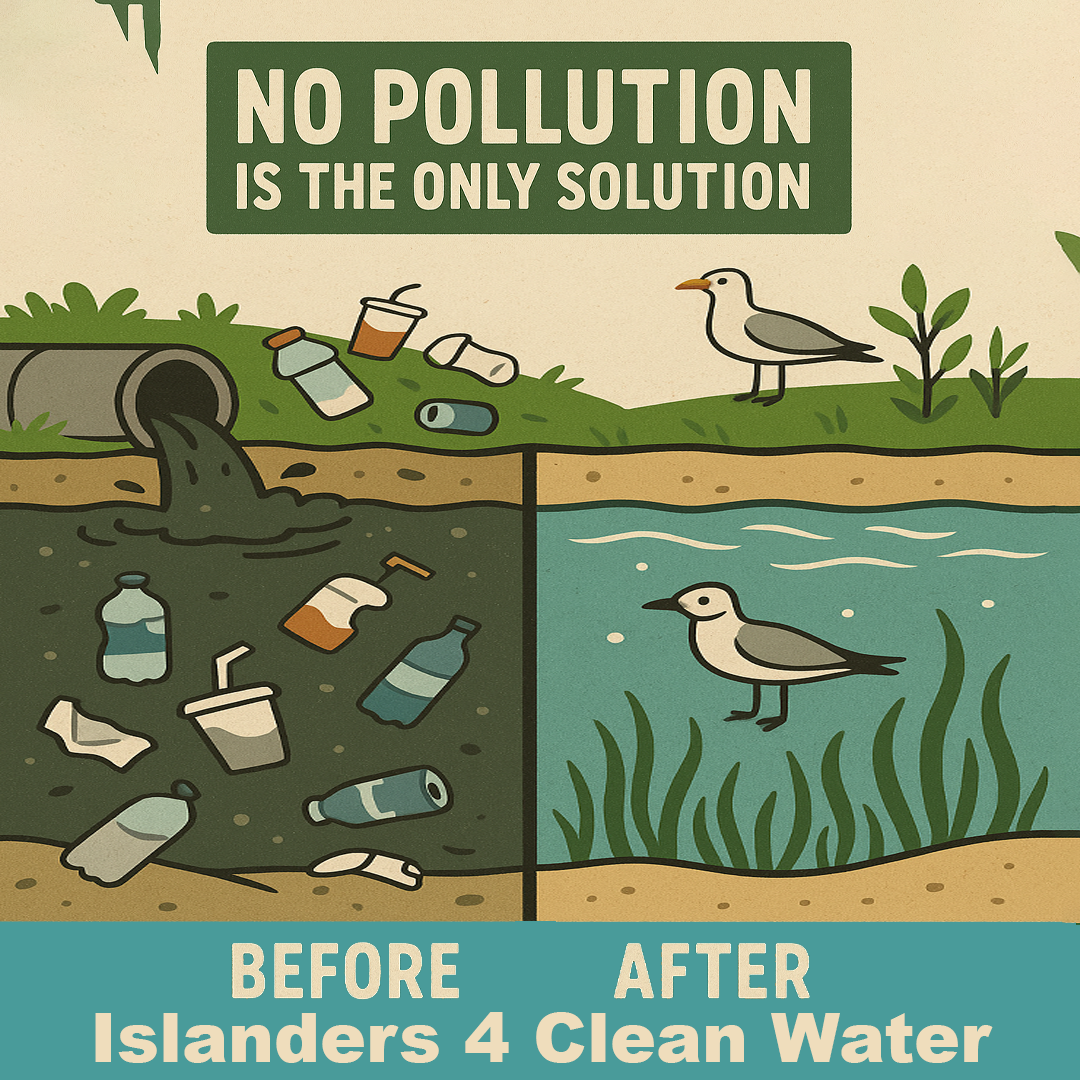
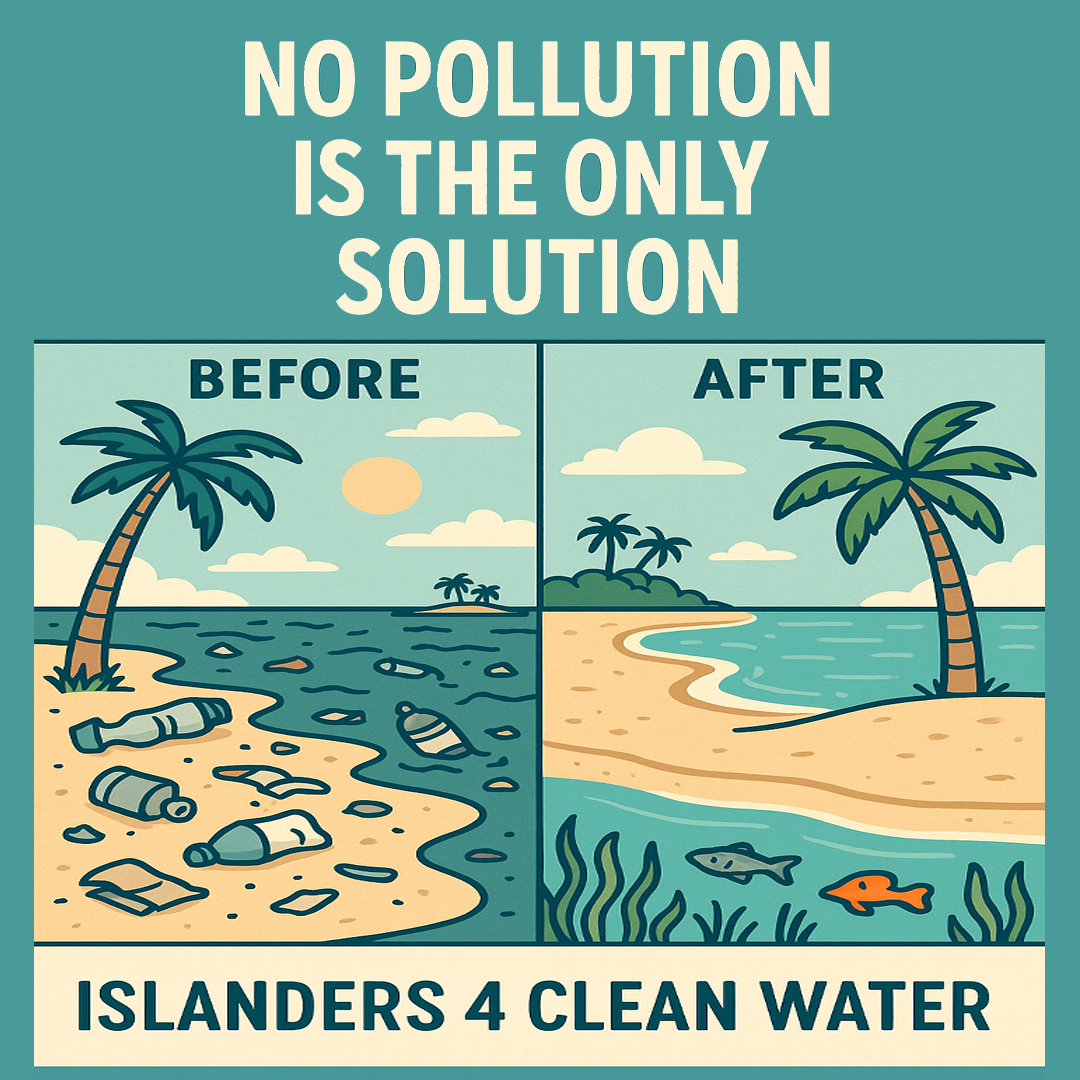
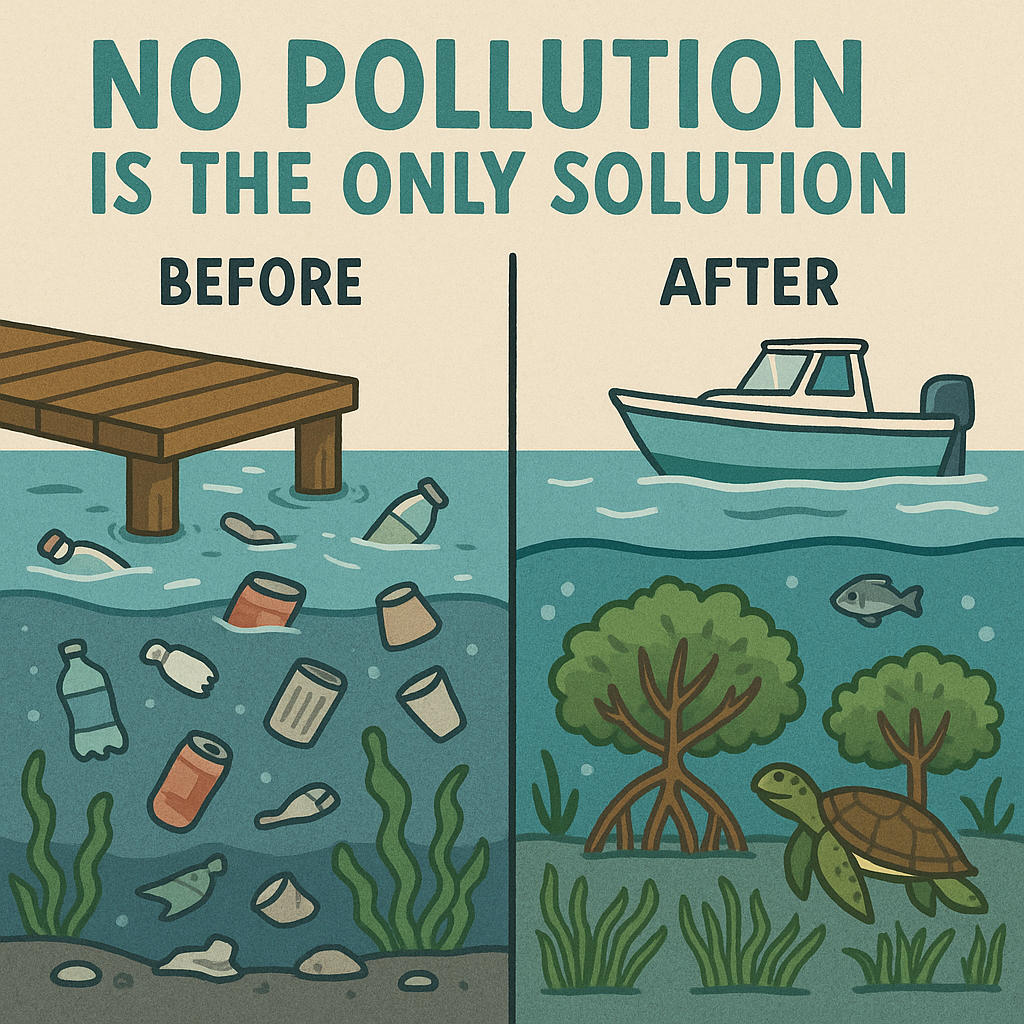
Litter and unsecured waste can be moved by wind and rain into streets, storm drains, mangroves, bays, and coastal waters. Once pollution reaches the water, it can affect wildlife and coastal habitat.
Stormwater can carry:
"When trash reaches the water, it reaches our home."
Pollution Prevention
Stop It Before It Reaches the Water
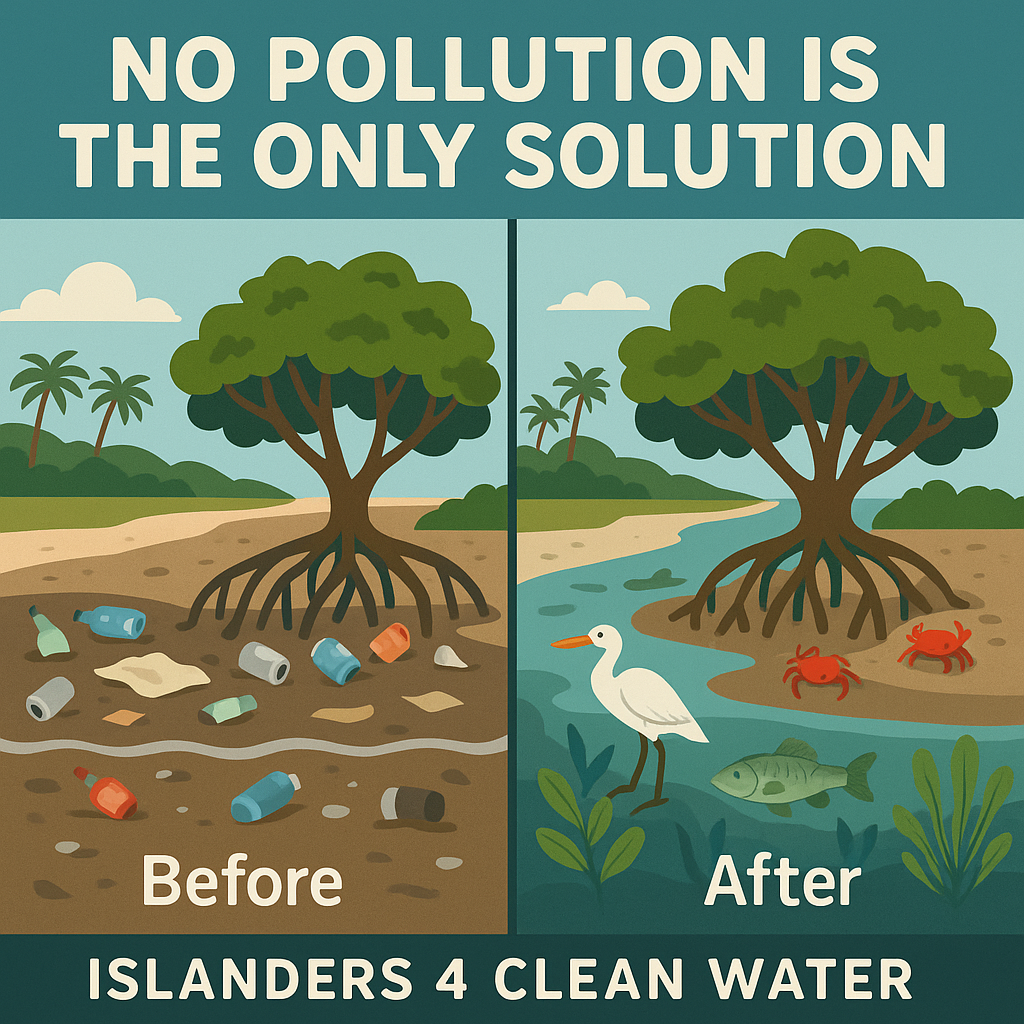
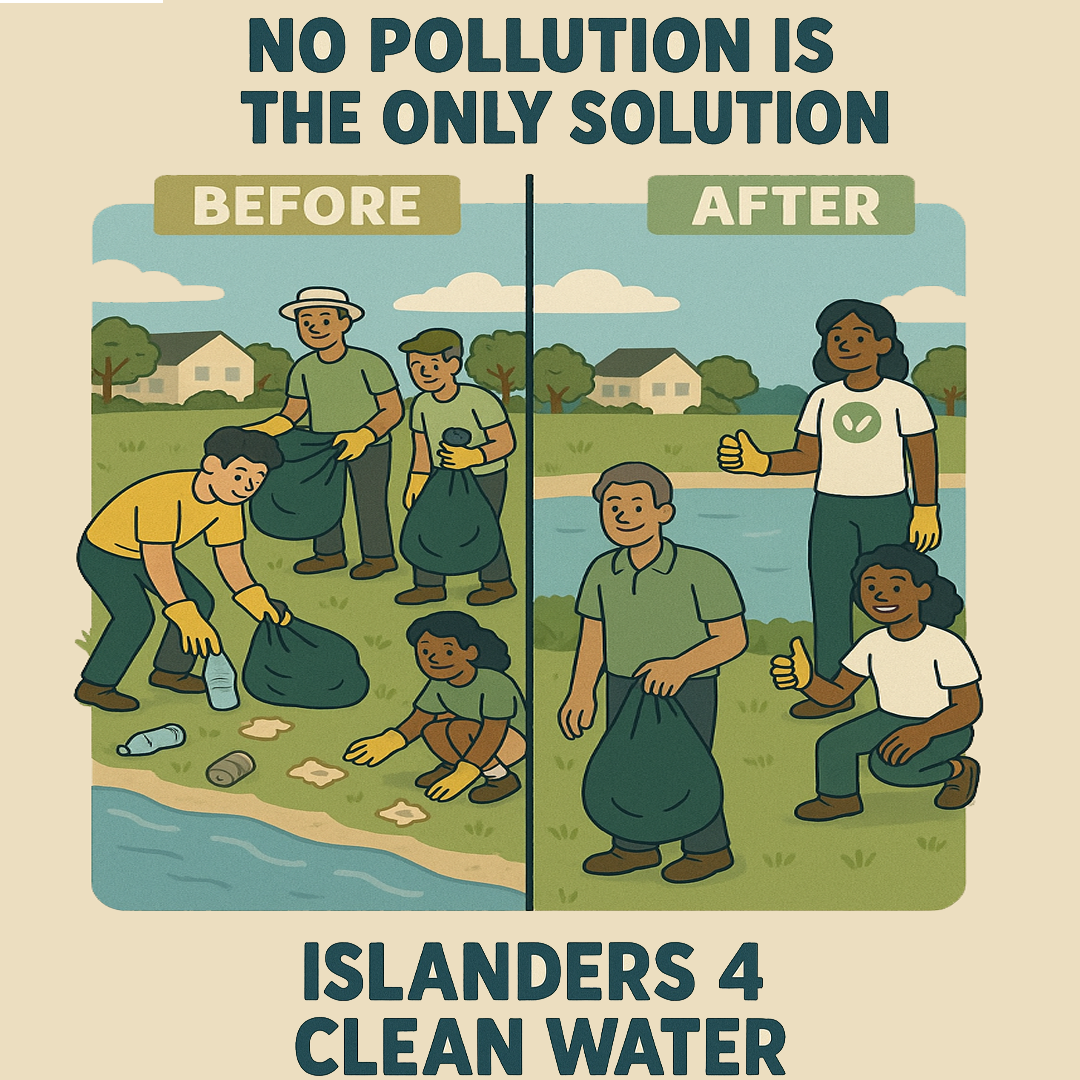
Preventing pollution on land is far easier than trying to remove it after it reaches mangroves, waterways, or beaches.
"Clean water starts before the litter reaches the drain."
Imagine
Imagine the Connection
Imagine buying only what you need.
Imagine using something until it is truly finished.
Imagine repairing instead of replacing.
Imagine sharing instead of throwing away.
Imagine reusable becoming routine.
Imagine recycling only what belongs.
Imagine less trash reaching the street.
Imagine less pollution reaching the water.
Imagine enough actually feeling like enough.
Imagine Enough Being Enough.
Take Action
What You Can Do
Buy less, choose well.
Think about whether you really need something before buying it.
Use what you already have.
Repair, refill, repurpose, and reuse whenever practical.
Choose reusable.
Replace disposable items with durable alternatives when it makes sense.
Recycle correctly.
Follow local guidelines and avoid wish-cycling.
Keep waste out of the water.
Secure trash, pick up litter, and prevent debris from reaching storm drains.
"Enough is not about having nothing. It is about knowing when you already have enough."