June
IMAGINE A YARD ALIVE
What if a healthy yard wasn't measured by how perfectly we controlled it?
A yard can be more than landscaping. It can provide food, shelter and habitat while helping support healthier soil and cleaner water. By reducing our reliance on pesticides and herbicides and working with natural systems, we can create landscapes that are healthier for pollinators, wildlife, pets and our waterways.
Sometimes a little less control creates a lot more life.
Wildlife & Habitat
LET YOUR YARD LIVE
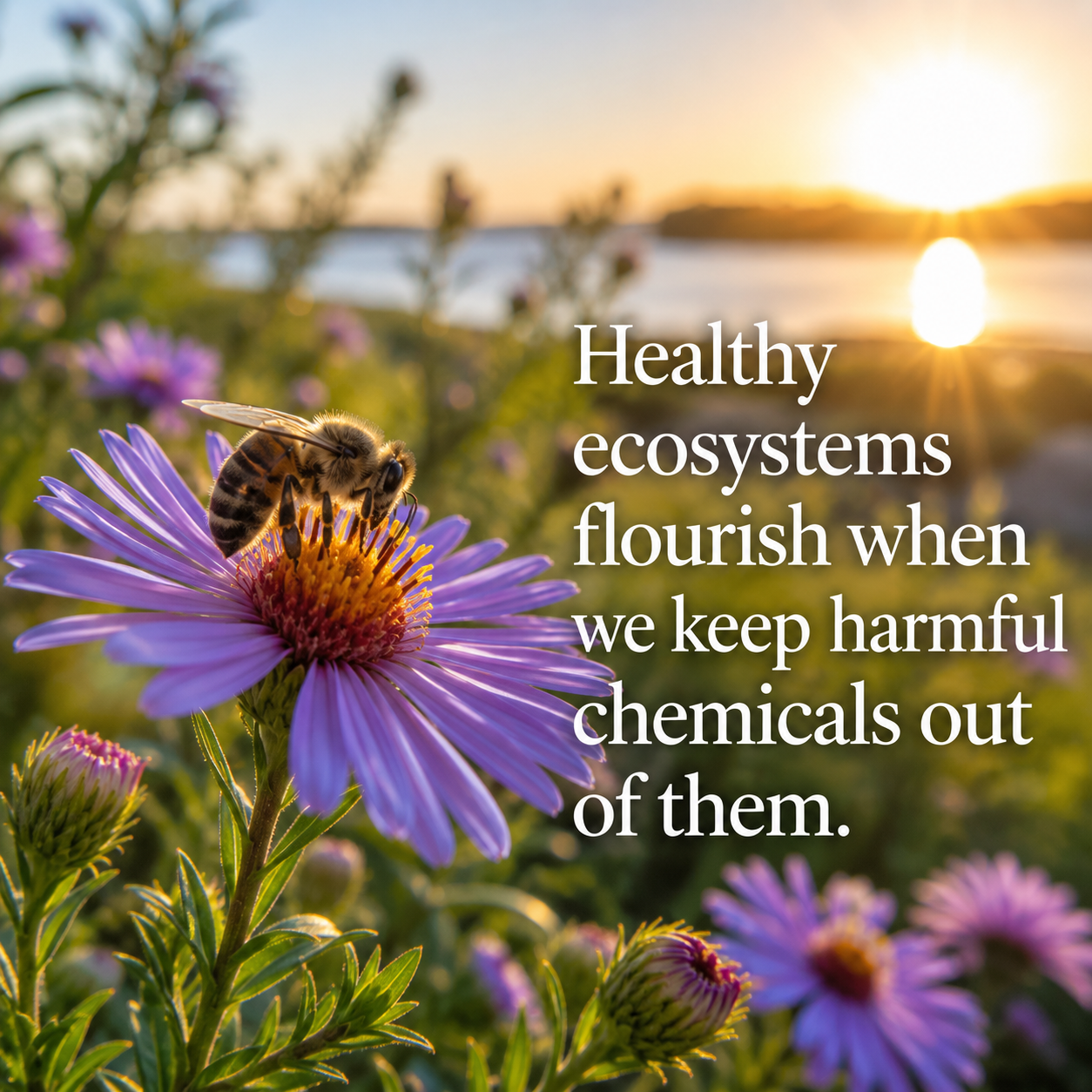
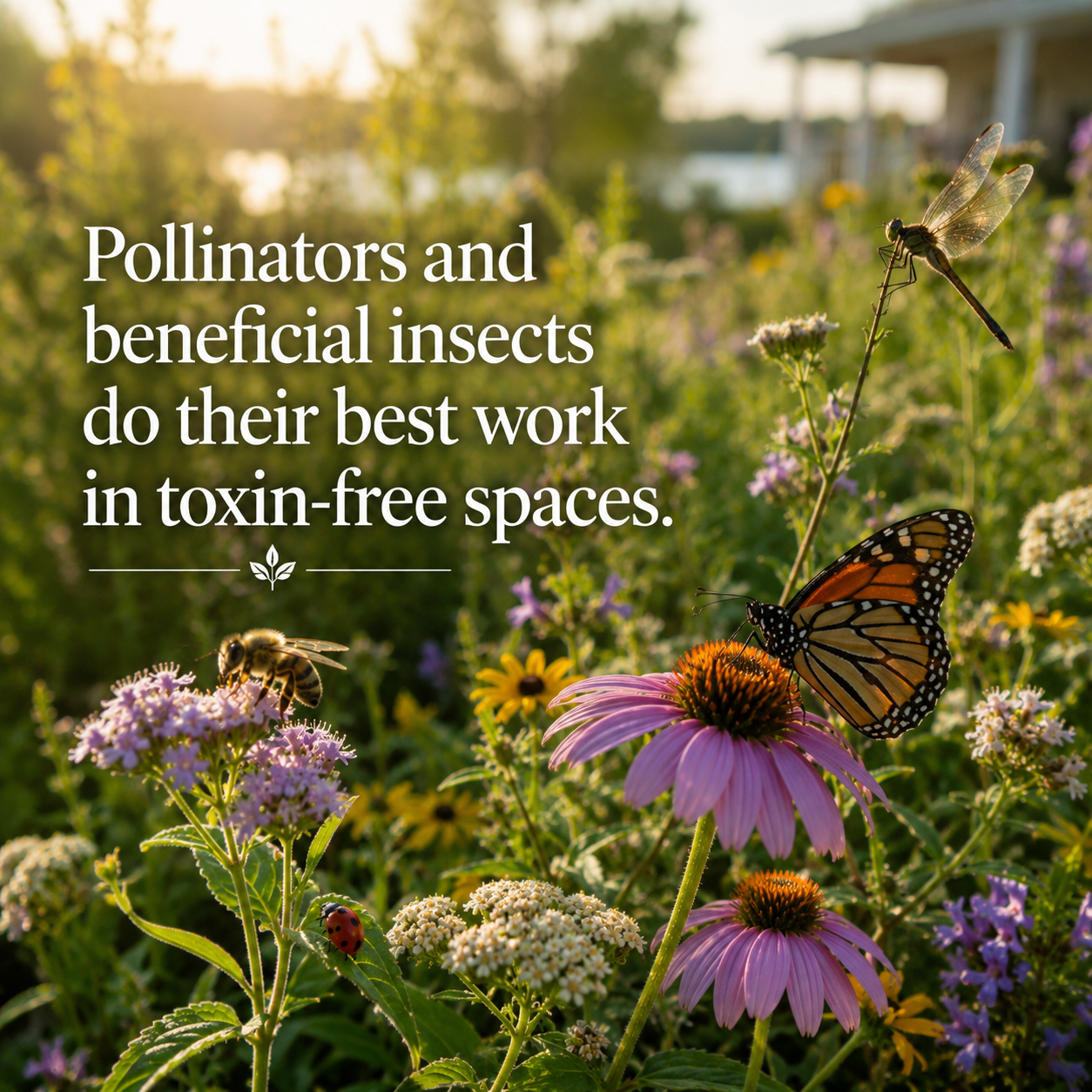
Butterflies, bees, dragonflies, birds and beneficial insects are part of a functioning landscape. A perfectly manicured yard is not necessarily a healthy ecosystem.
Native plants, small areas allowed to grow more naturally, leaf litter, mulch and habitat can all help create places where wildlife can feed, shelter and reproduce.
- Plant native flowers.
- Welcome pollinators.
- Make room for beneficial insects.
- Leave a little space wild.
"A yard alive is a yard working with nature."
Lawn & Garden Practices
SKIP THE SPRAY
Pesticides and herbicides do not necessarily stay exactly where they are applied. Rainfall can carry chemicals from landscapes toward storm drains, canals, bays and other waterways.
These products can also affect organisms beyond the pests or weeds they are intended to control. Pollinators, beneficial insects and other wildlife are all part of the larger ecosystem surrounding our homes.
"What we put on the ground can become part of the water."
Natural Alternatives
LET NATURE DO SOME OF THE WORK
A healthier landscape does not have to depend entirely on chemical controls.
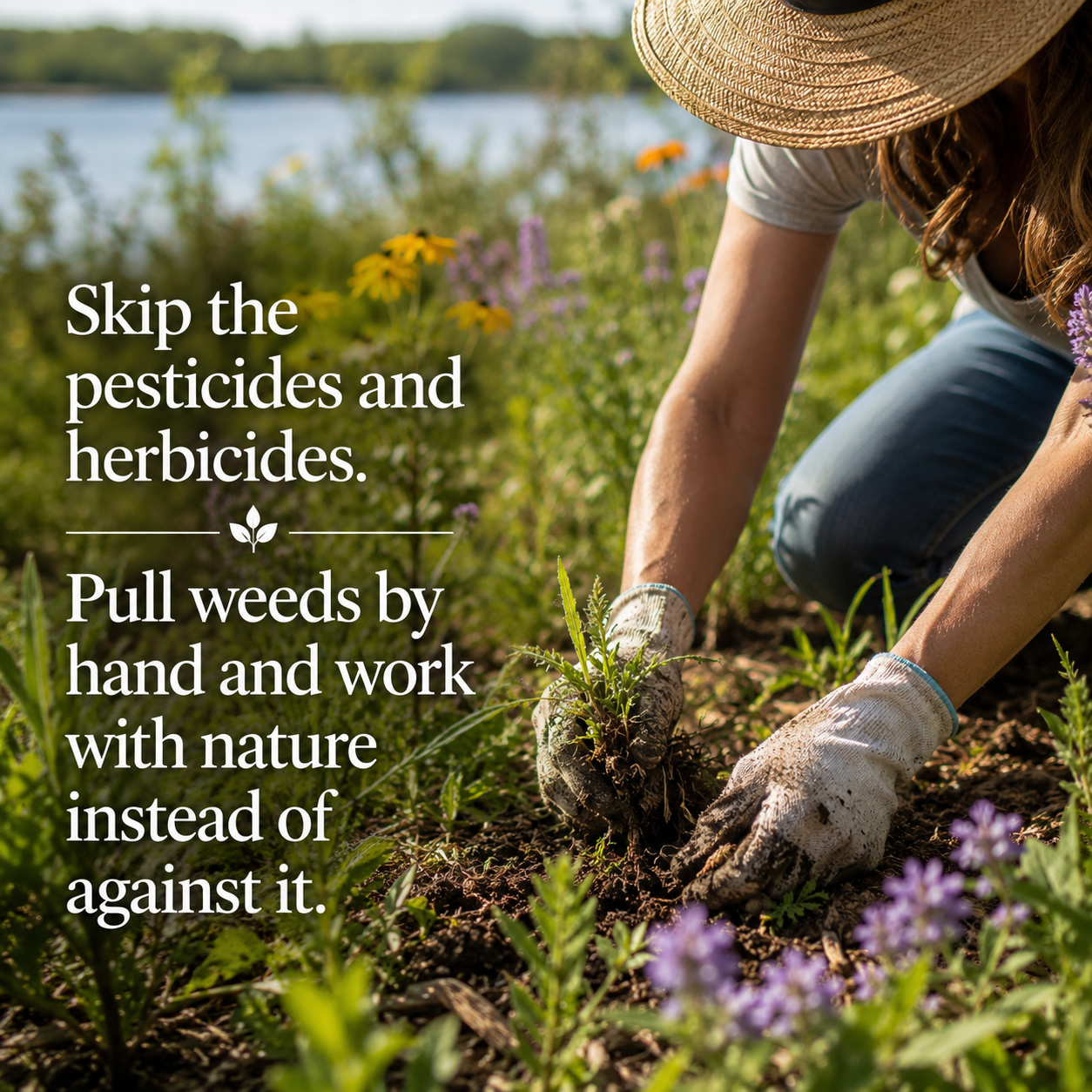
Pull weeds by hand instead of automatically spraying.
Use mulch to help suppress weeds and protect soil.
Plant native species suited to Florida conditions.
Welcome beneficial insects that naturally contribute to ecological balance.
Build healthy soil so plants can grow stronger.
Water appropriately rather than excessively.
"Work with nature instead of against it."
Healthy Soil
START WITH THE SOIL
Healthy landscapes begin below our feet. Mulch can help retain moisture and suppress weeds. Compost can turn organic material into a resource for the garden.
Healthy soil supports stronger plants, and stronger plants can be more resilient.
"Waste isn't waste until we waste it."
"Feed the soil and let the soil feed the garden."
Clean Water Connection
YOUR YARD IS CONNECTED TO THE WATER
Rainfall connects our landscapes to the surrounding environment. Water moving across lawns and gardens can carry soil, fertilizers, pesticides, herbicides and other materials toward storm drains and waterways.
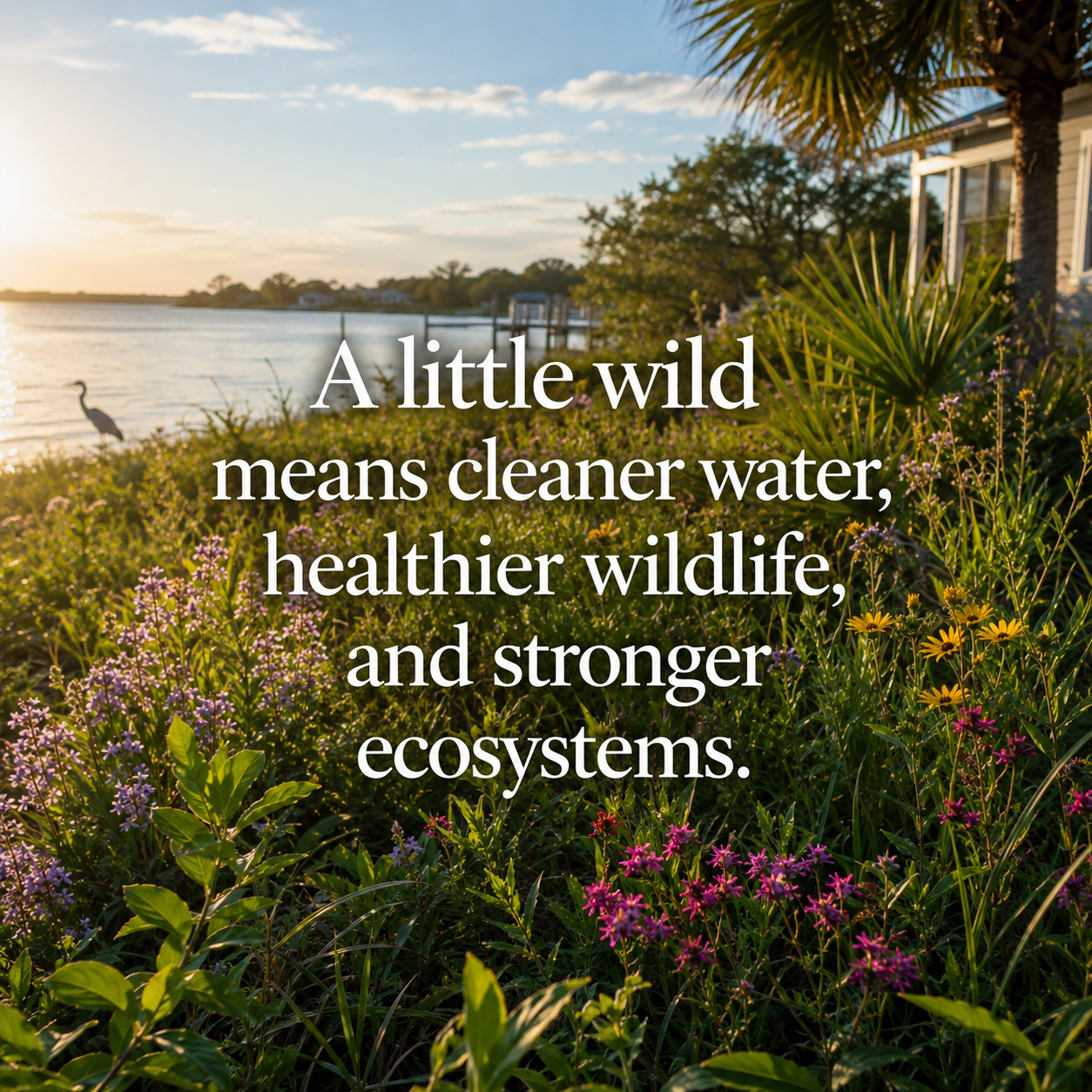
Native landscaping, mulch, healthy soil and thoughtful lawn care can help reduce runoff and unnecessary chemical use.
"Cleaner land helps support cleaner water."
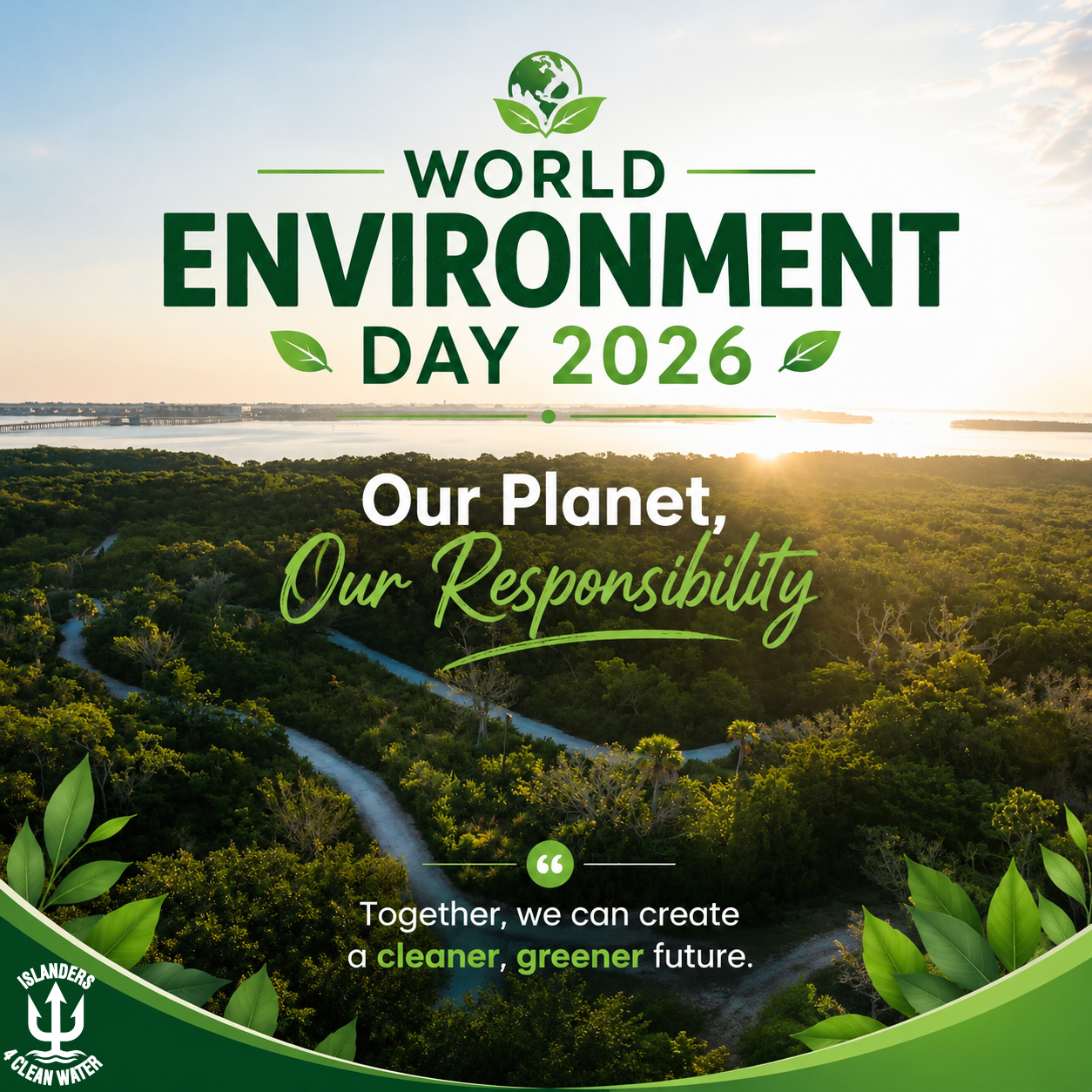
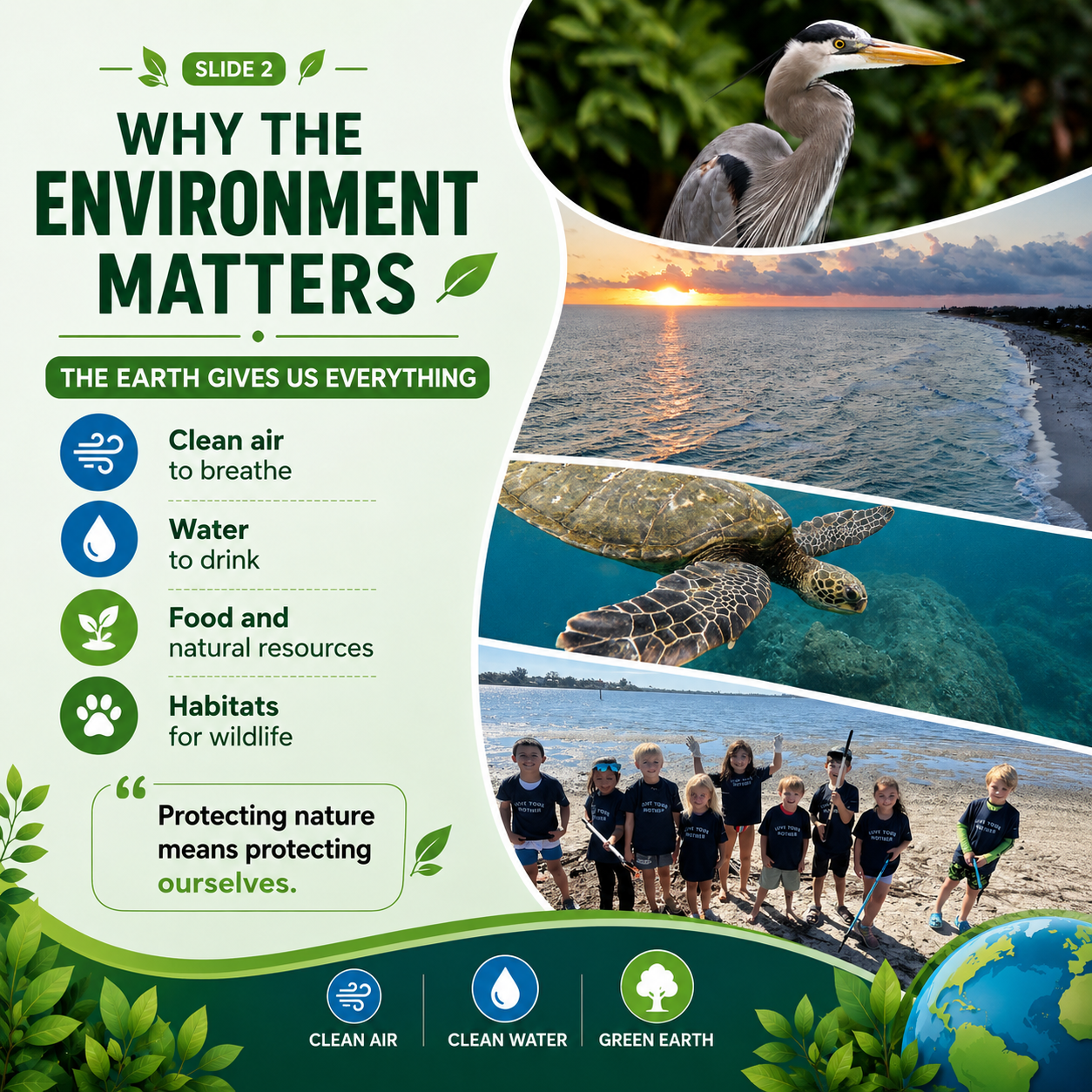
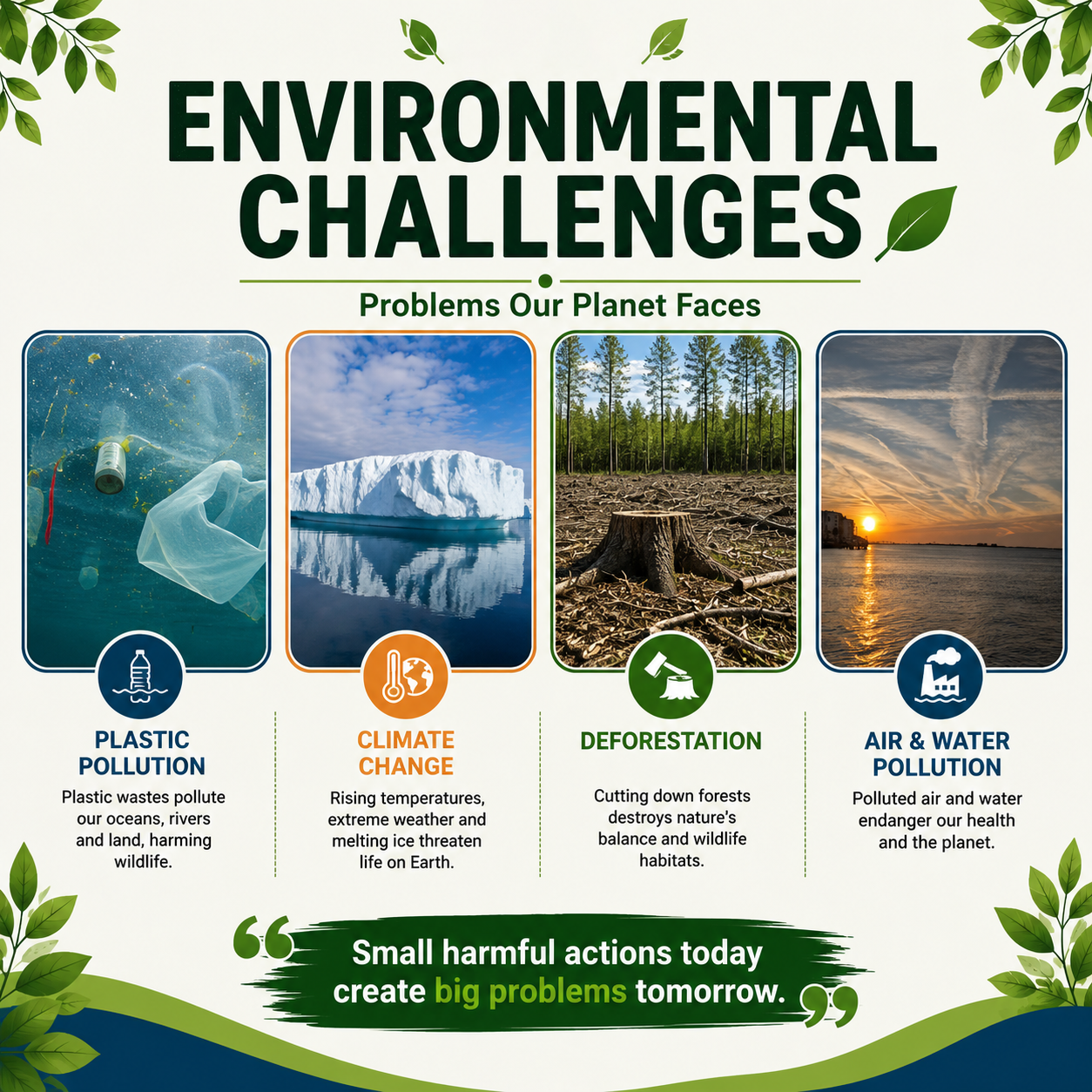
June 5 — World Environment Day
OUR PLANET. OUR RESPONSIBILITY.
World Environment Day is a reminder that large environmental challenges are ultimately influenced by millions of individual choices.
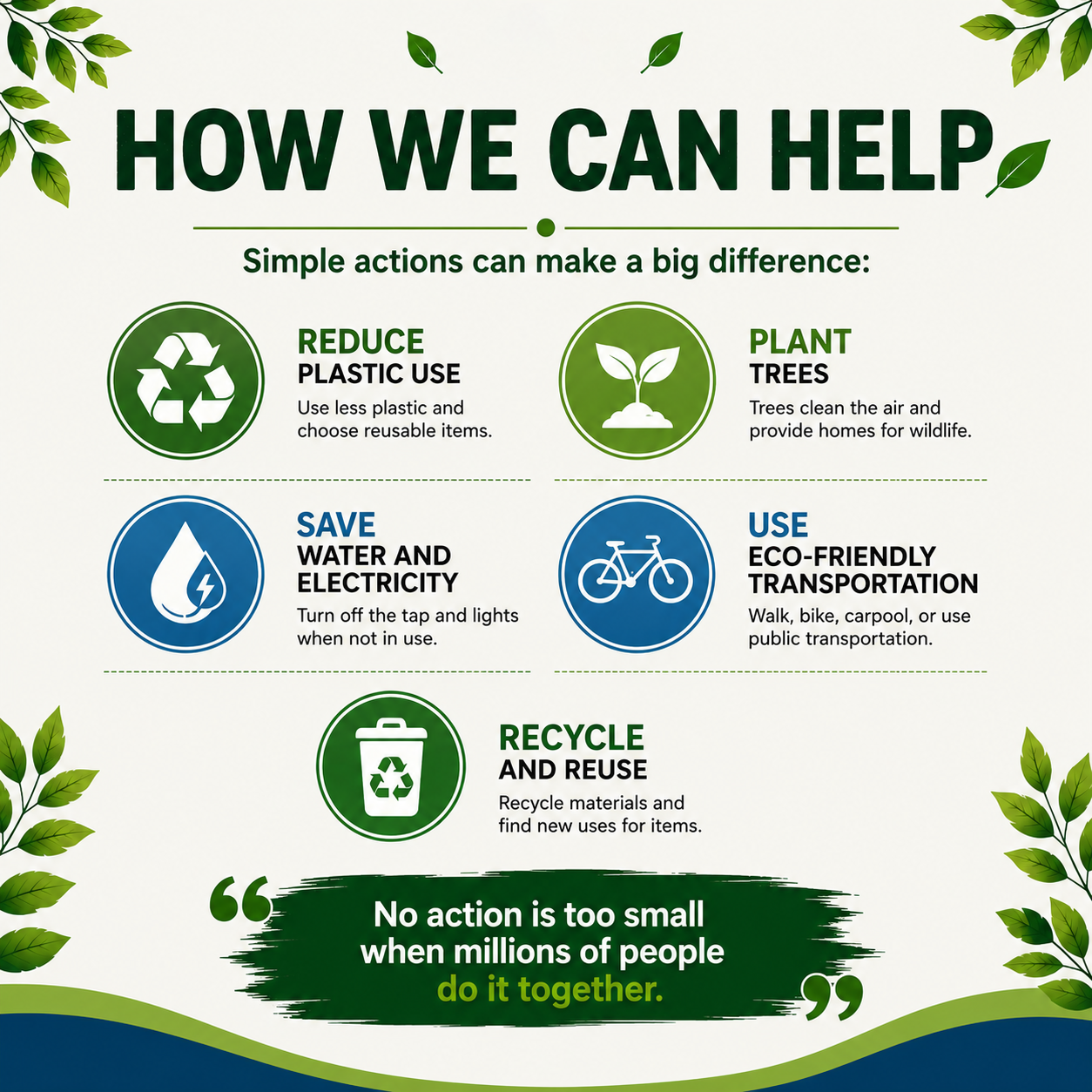
- Plant something.
- Reduce unnecessary waste.
- Conserve water.
- Protect wildlife.
- Reduce pollution.
- Make thoughtful choices at home.
"No action is too small when millions of people do it together."
IMAGINE…
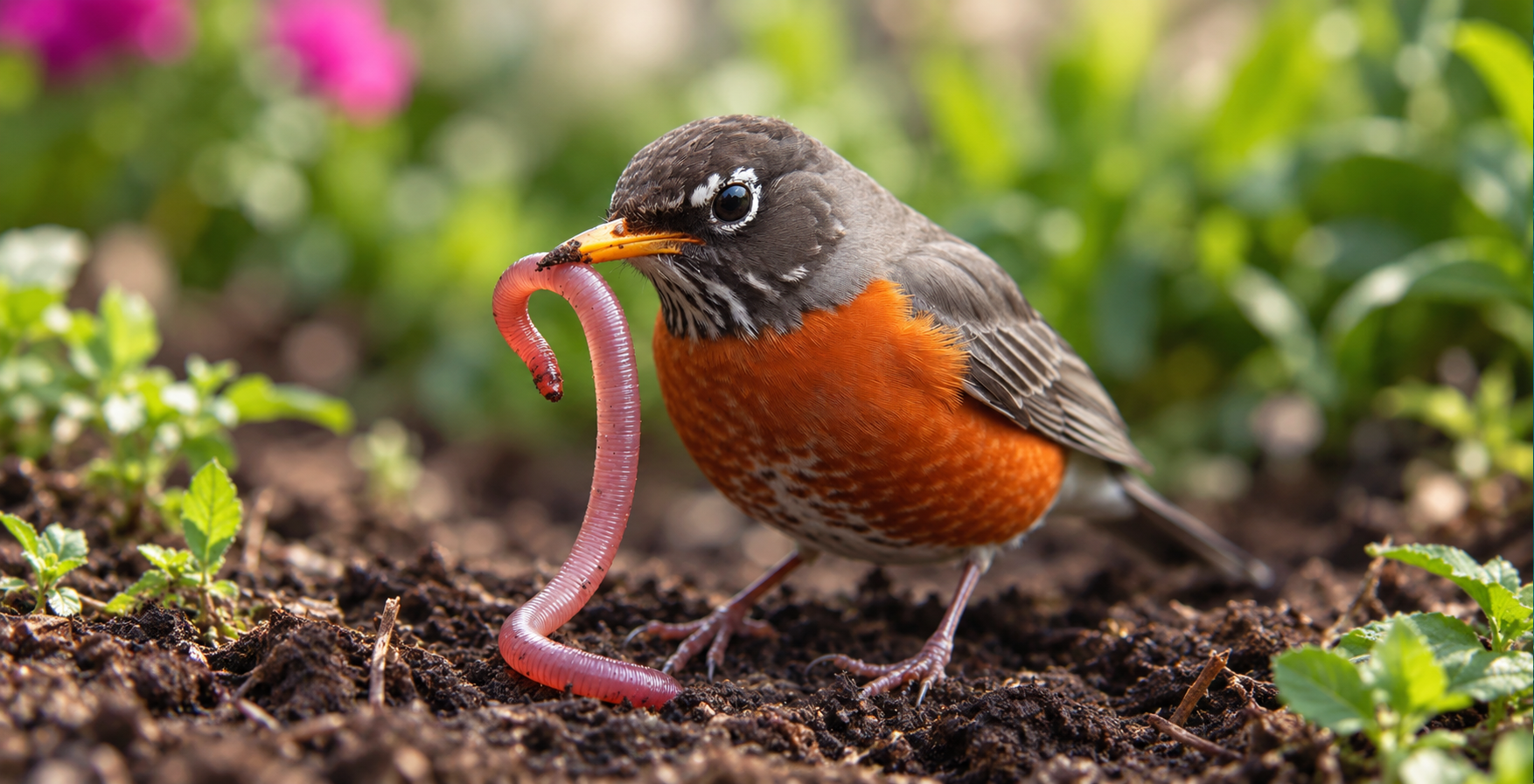
bees moving from flower to flower.
butterflies finding somewhere to land.
dragonflies patrolling the garden.
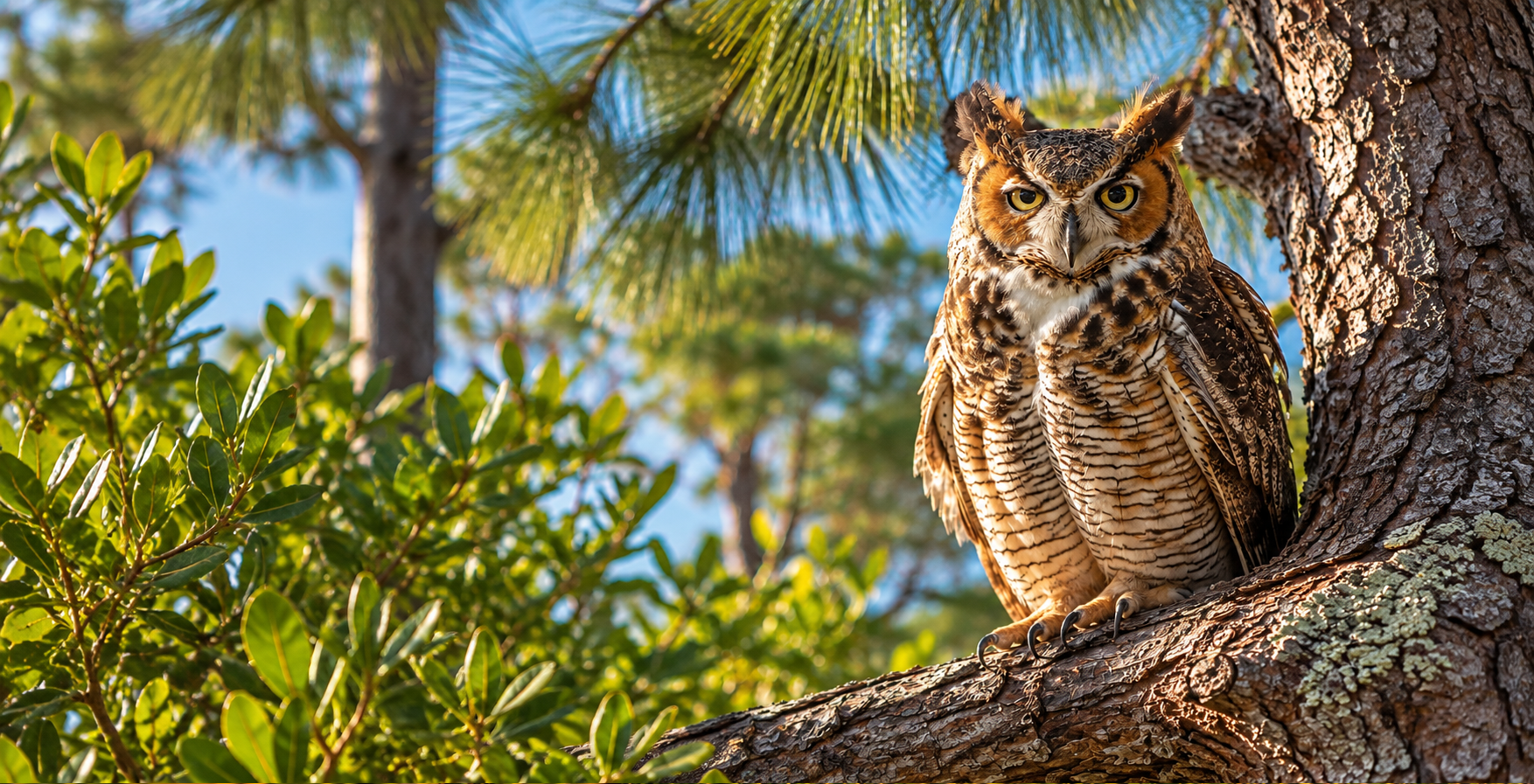
an owl watching from a tree.
healthy soil beneath your feet.
rain soaking into the ground.
fewer chemicals washing away.
a yard becoming habitat.
IMAGINE A YARD ALIVE.
June 8 — World Oceans Day
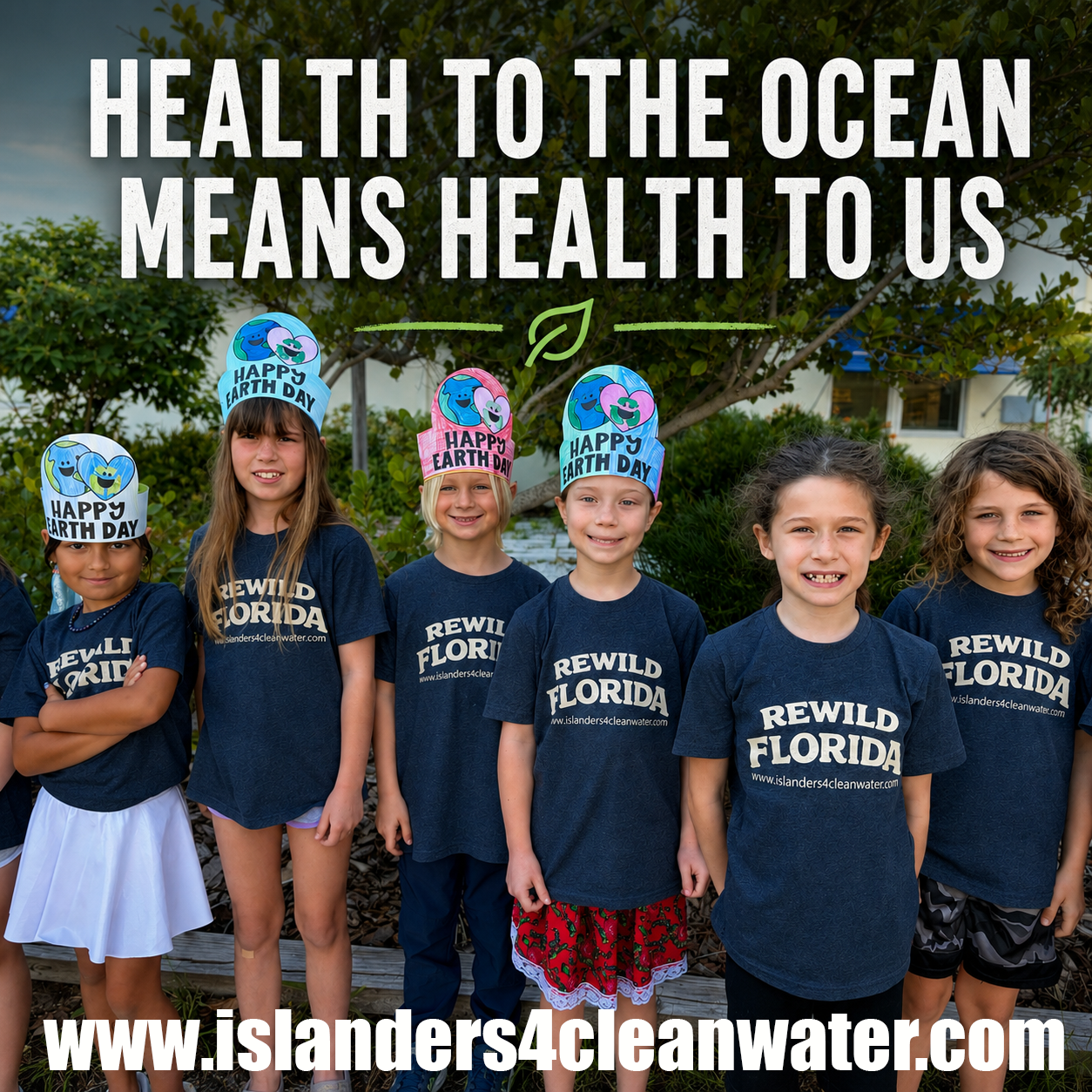
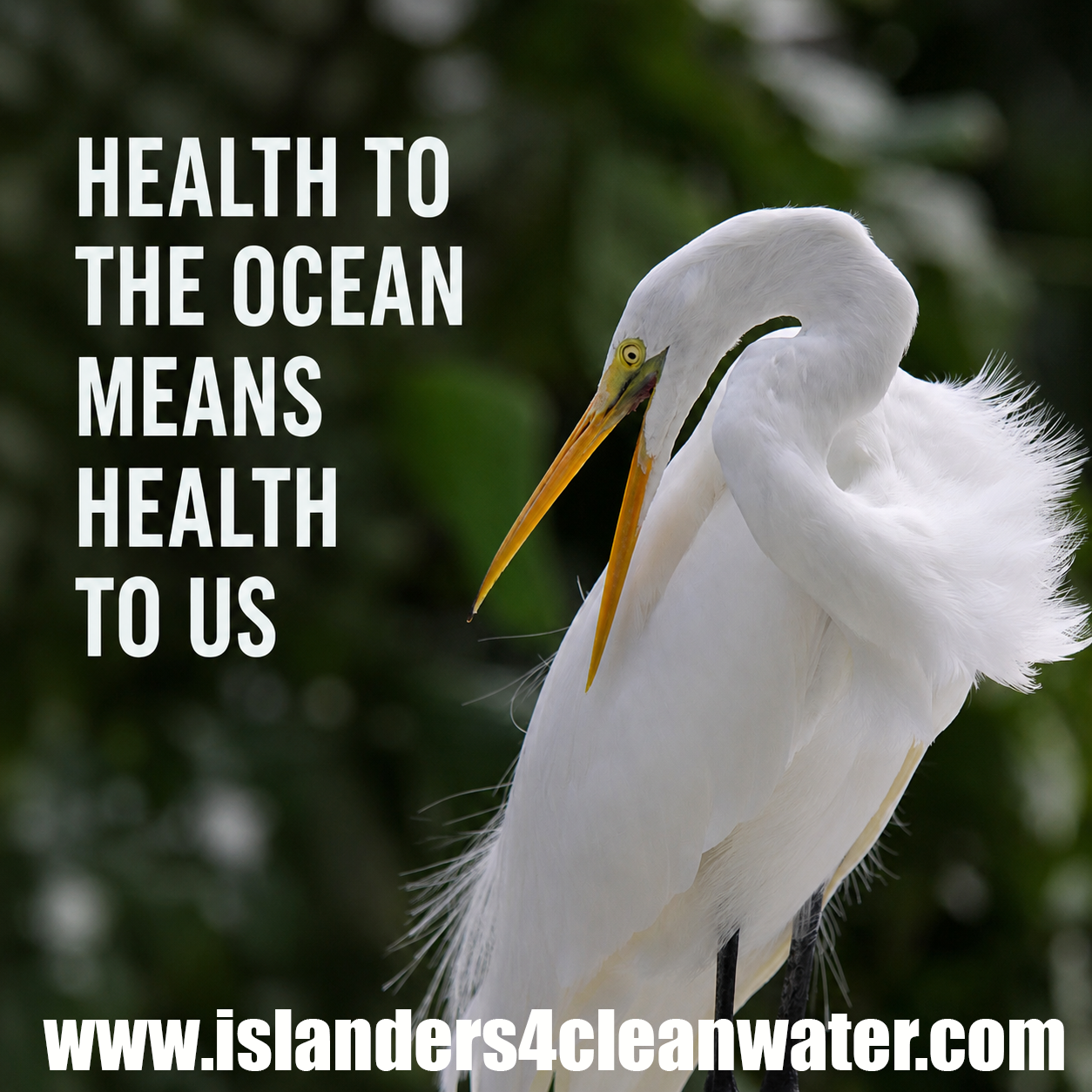
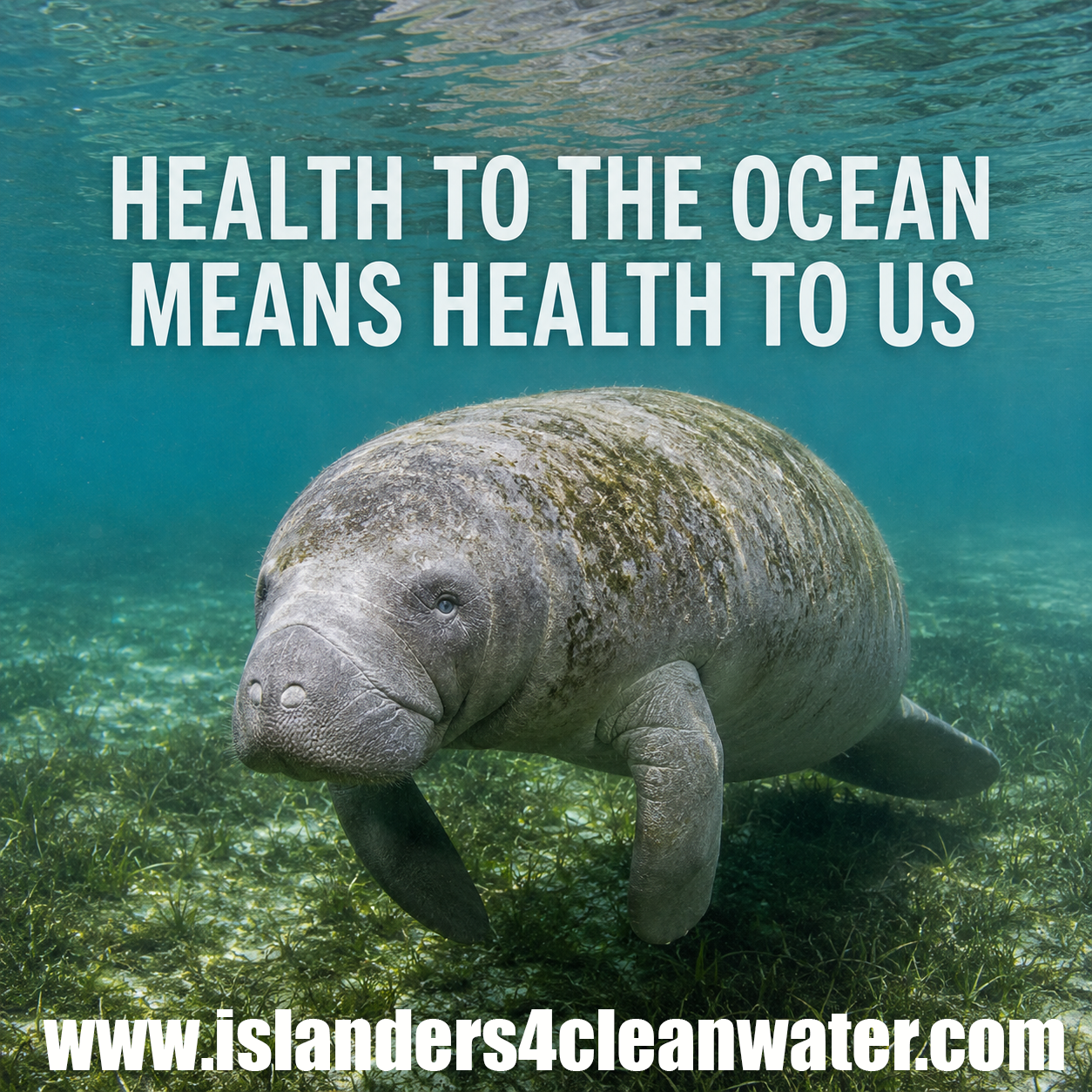
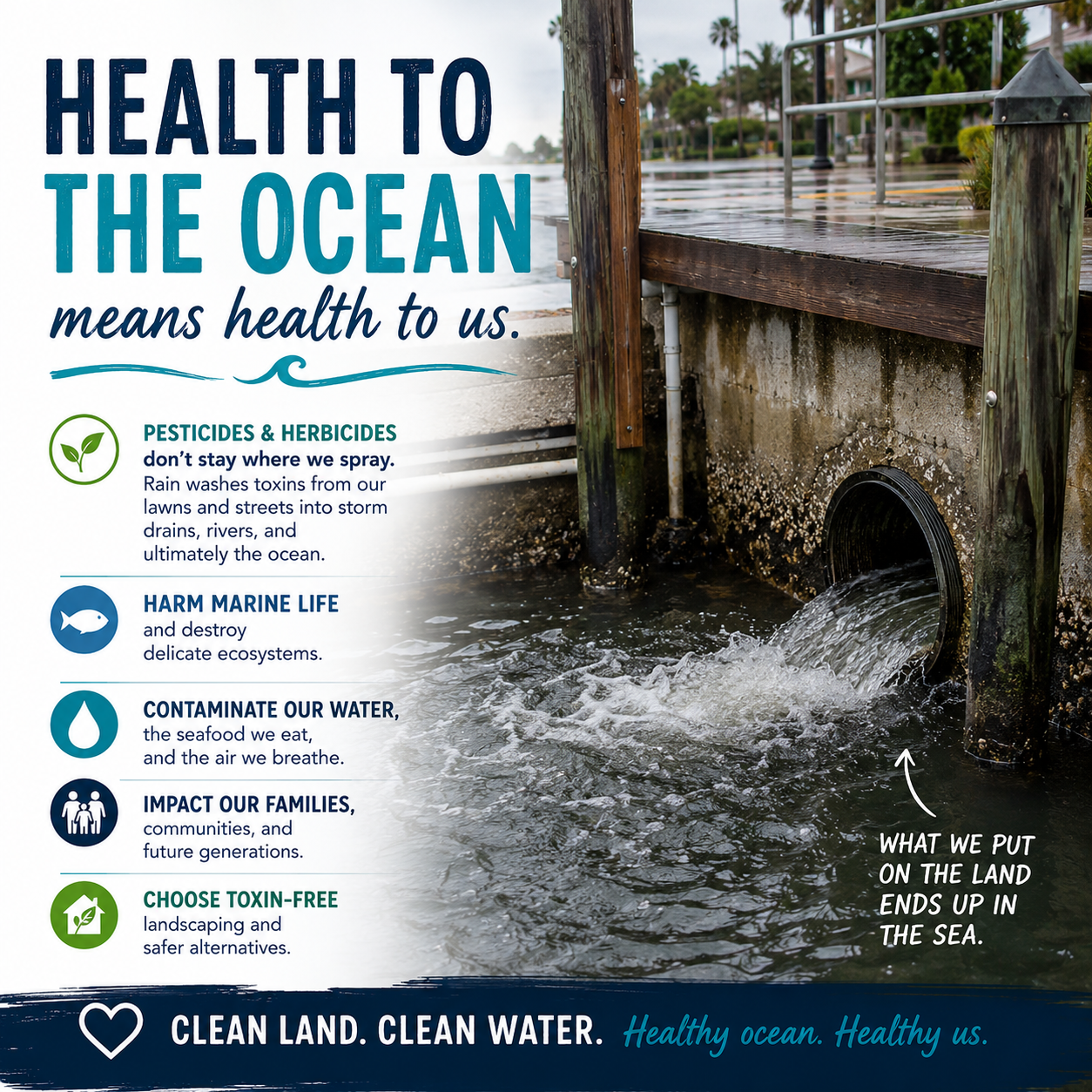
HEALTH TO THE OCEAN MEANS HEALTH TO US
Every June 8, World Oceans Day reminds us that the ocean isn't just a backdrop to life on Anna Maria Island — it is life here. The Gulf of Mexico feeds our families, supports our economy, and defines our community.
But what we put on the land ends up in the sea. Pesticides and herbicides don't stay where we spray them. Rain washes toxins from our lawns and streets into storm drains, rivers, and ultimately the ocean — harming marine life, contaminating our water, and impacting our families for generations.
Choosing toxin-free landscaping and safer alternatives is one of the most powerful things islanders can do. Clean land. Clean water. Healthy ocean. Healthy us.
Take Action
WHAT YOU CAN DO
Skip unnecessary pesticides and herbicides.
Consider whether a problem can be managed another way before reaching for a chemical treatment.
Plant native.
Create food and habitat for pollinators and other wildlife.
Welcome beneficial insects.
Bees, butterflies, dragonflies and other insects are part of a healthy landscape.
Build healthier soil.
Use mulch, compost and thoughtful watering practices.
Leave a little wild.
Give nature some room instead of trying to control every inch of the landscape.
"A perfectly manicured yard isn't what makes our island beautiful. A living one does."
LET IT LIVE
Creating a healthier yard does not require changing everything at once. Skip one unnecessary spray. Plant one native flower. Add mulch. Start composting. Give beneficial insects somewhere to live. Allow one corner of the yard to become a little less controlled and a little more alive.
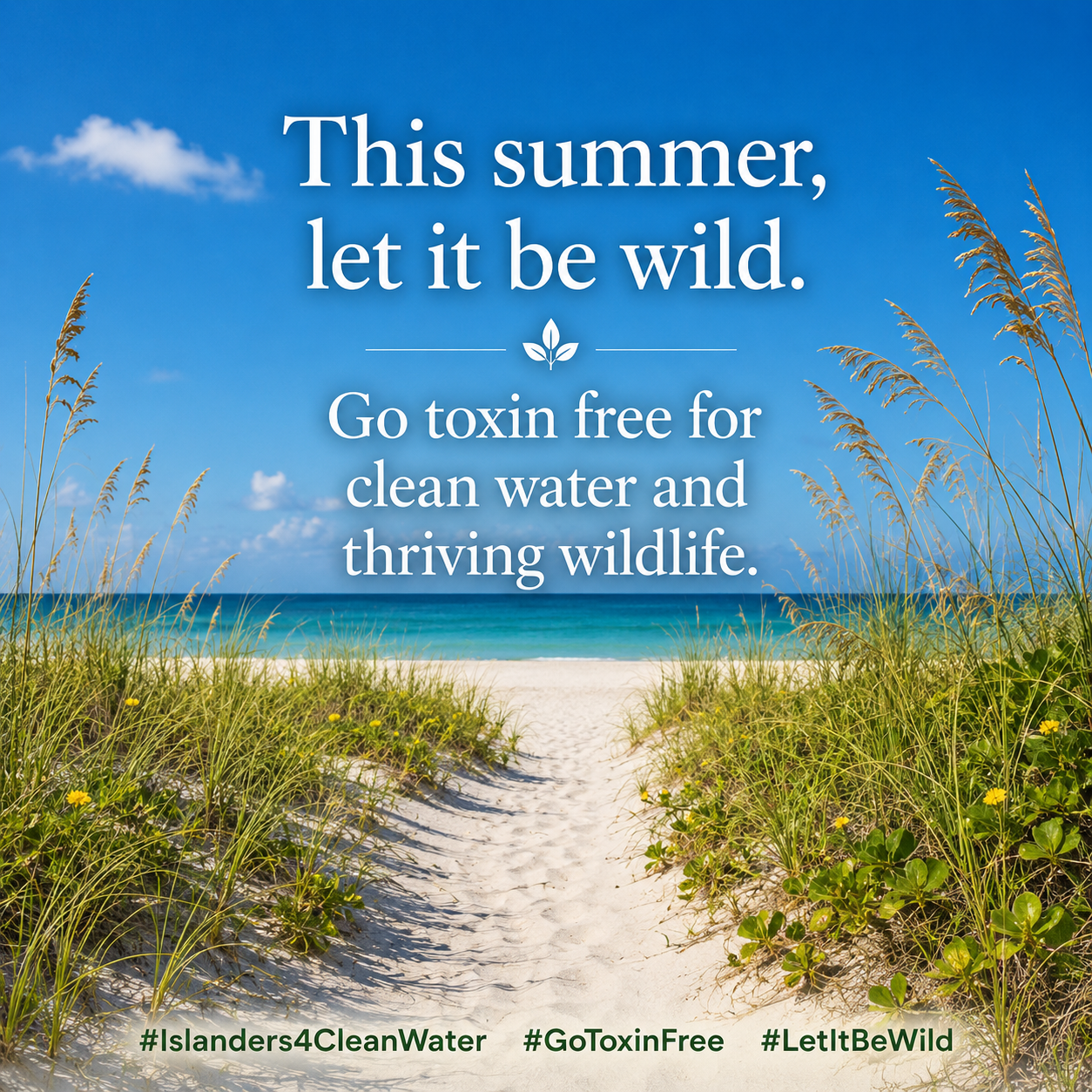
Skip the spray. Welcome wildlife. Protect the water.
IMAGINE A YARD ALIVE.