July
IMAGINE RAIN FEEDING ROOTS
"What if more rain stayed where it fell?"
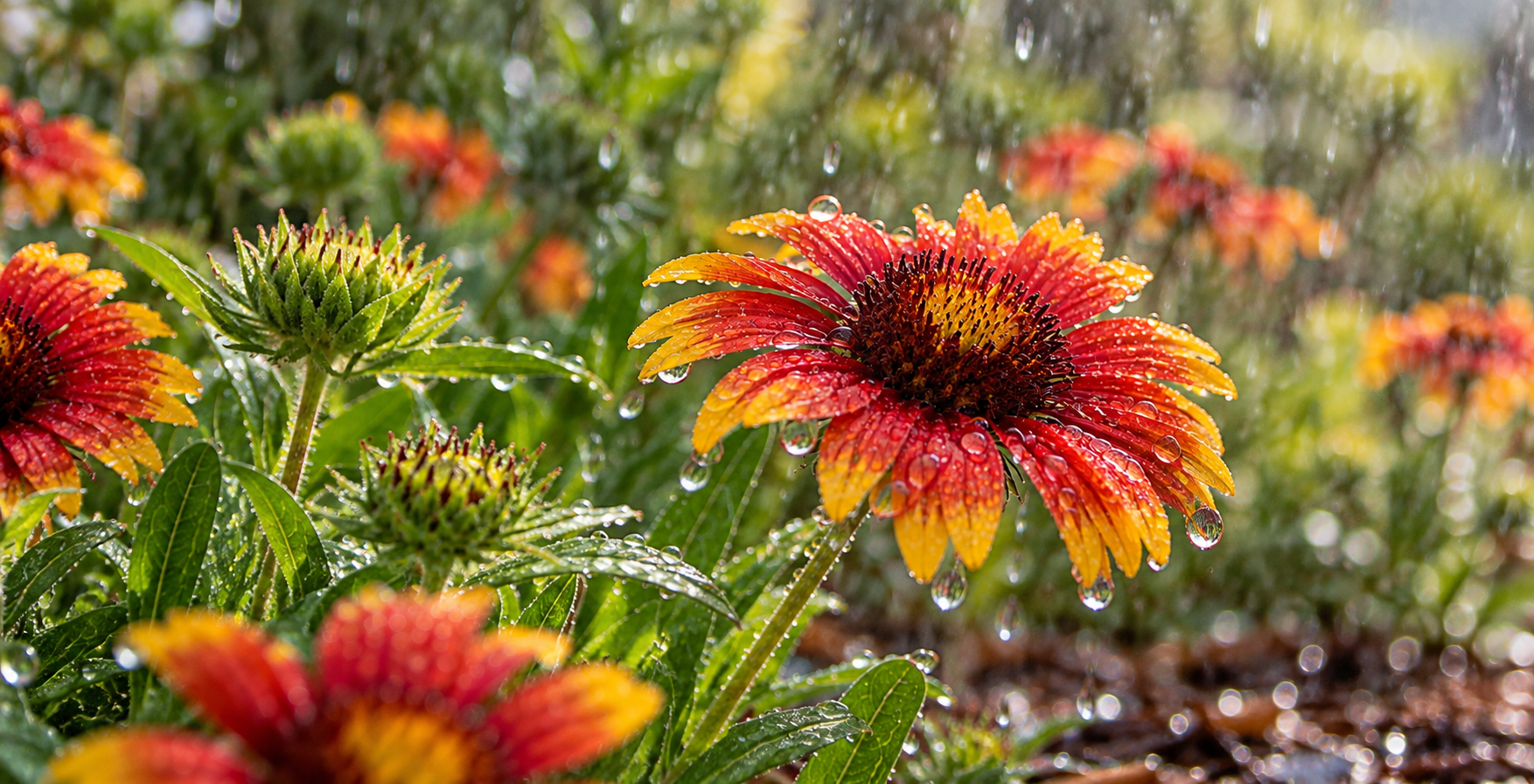
Rainfall can either soak into the landscape or move across hard surfaces as runoff. When rain reaches healthy soil, native plants, trees, mulch, and rain gardens, more of that water has a chance to slow down and soak in.
"Rain can become runoff, or it can become part of the landscape."
Understanding Stormwater
WHERE DOES THE RAIN GO?
When rain falls on roofs, driveways, roads, compacted soil, or other hard surfaces, it can move quickly toward storm drains and waterways.
As it travels, runoff can pick up litter, soil, fertilizers, pesticides, oils, and other pollutants along the way.
Hard surface path
Healthy landscape path
"The slower the water moves, the more opportunity the landscape has to use it."

Native Plants & Mature Trees
ROOTS DO MORE THAN GROW PLANTS
Healthy roots help hold soil in place, reduce erosion, and help rainfall soak into the ground.
Native plants and mature trees can play an important role because established root systems interact with the soil across larger areas.
- Roots absorb water.
- Roots hold soil.
- Roots help slow erosion.
- Roots create habitat below the surface.
"Nourish roots, not runoff."
Rain Gardens
BUILD A PLACE FOR RAIN
A rain garden is a shallow planted area designed to temporarily collect rainfall and give it time to soak into the ground.
- Slow stormwater.
- Encourage infiltration.
- Reduce runoff.
- Support native plants and pollinators.
- Add beauty to the landscape.
"Catch the rain where it falls."
Small Choices, Big Impact
LET THE LANDSCAPE HELP
Reducing runoff does not depend on one big solution. Small landscape choices can work together.
"A healthy landscape does some of the work for us."
Islanders 4 Clean Water
CLEANER WATER STARTS BEFORE THE STORM DRAIN
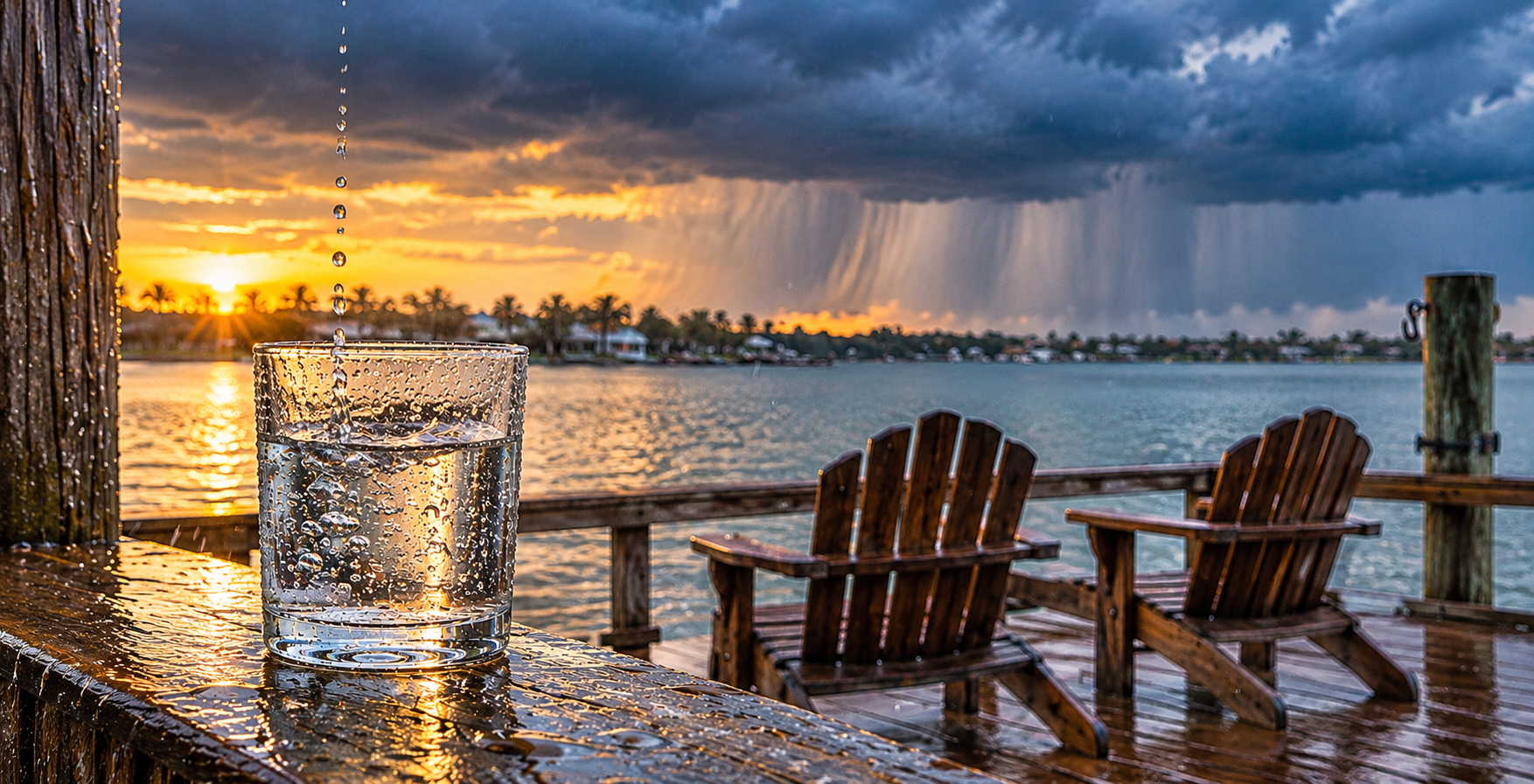
Runoff can carry whatever it picks up along the way toward storm drains, canals, bays, and coastal waters.
Slowing rainfall and helping it soak into the landscape can reduce the amount of water racing across hard surfaces.
"The best place to manage rain is before it becomes runoff."
The Bigger Picture
RAIN FEEDS MORE THAN PLANTS
Healthy landscapes support more than roots.
Native plants and trees provide habitat for pollinators, birds, and other wildlife. Healthy soil supports living systems below ground. Slower-moving water can help reduce erosion and create more resilient landscapes.
"When rain feeds roots, the benefits spread through the whole landscape."
IMAGINE…
rain falling on native flowers.
roots drinking it in.
trees holding soil in place.
mulch slowing the flow.
a rain garden filling for a moment.
less water racing toward the street.
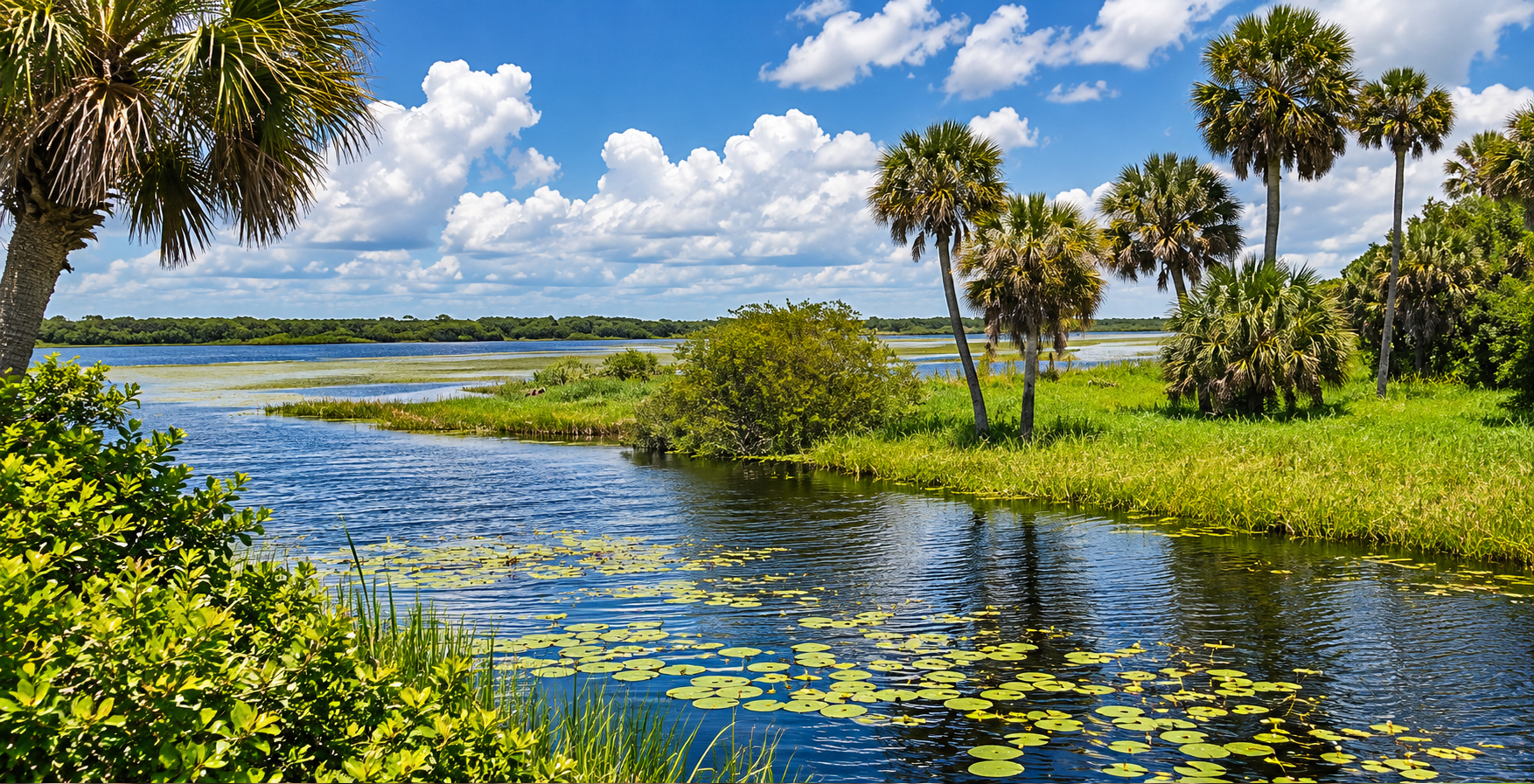
fewer pollutants reaching the bay.
rain becoming part of the landscape.
IMAGINE RAIN FEEDING ROOTS.
Take Action
WHAT YOU CAN DO
Plant native.
Use plants adapted to Florida conditions that can help create healthier, more resilient landscapes.
Protect mature trees.
Established root systems help stabilize soil and interact with rainfall.
Add mulch.
Cover bare soil, help retain moisture, and slow water movement.
Give rain somewhere to go.
Consider rain gardens, planted areas, or directing water away from hard surfaces when appropriate.
Keep pollutants out of runoff.
Pick up litter and avoid allowing fertilizers, pesticides, oils, and other materials to wash toward storm drains.
"Healthy roots do more than grow plants. They help the whole landscape work."
LET THE RAIN STAY AWHILE
Reducing runoff does not require rebuilding an entire landscape.
Plant one native plant. Protect one mature tree. Add mulch to bare soil. Create a small rain garden. Give rainfall a place to slow down and soak in.
Small choices repeated throughout a community can help create healthier landscapes and cleaner waterways.
Slow the rain. Feed the roots. Protect the water.
IMAGINE RAIN FEEDING ROOTS.