
May
IMAGINE READY
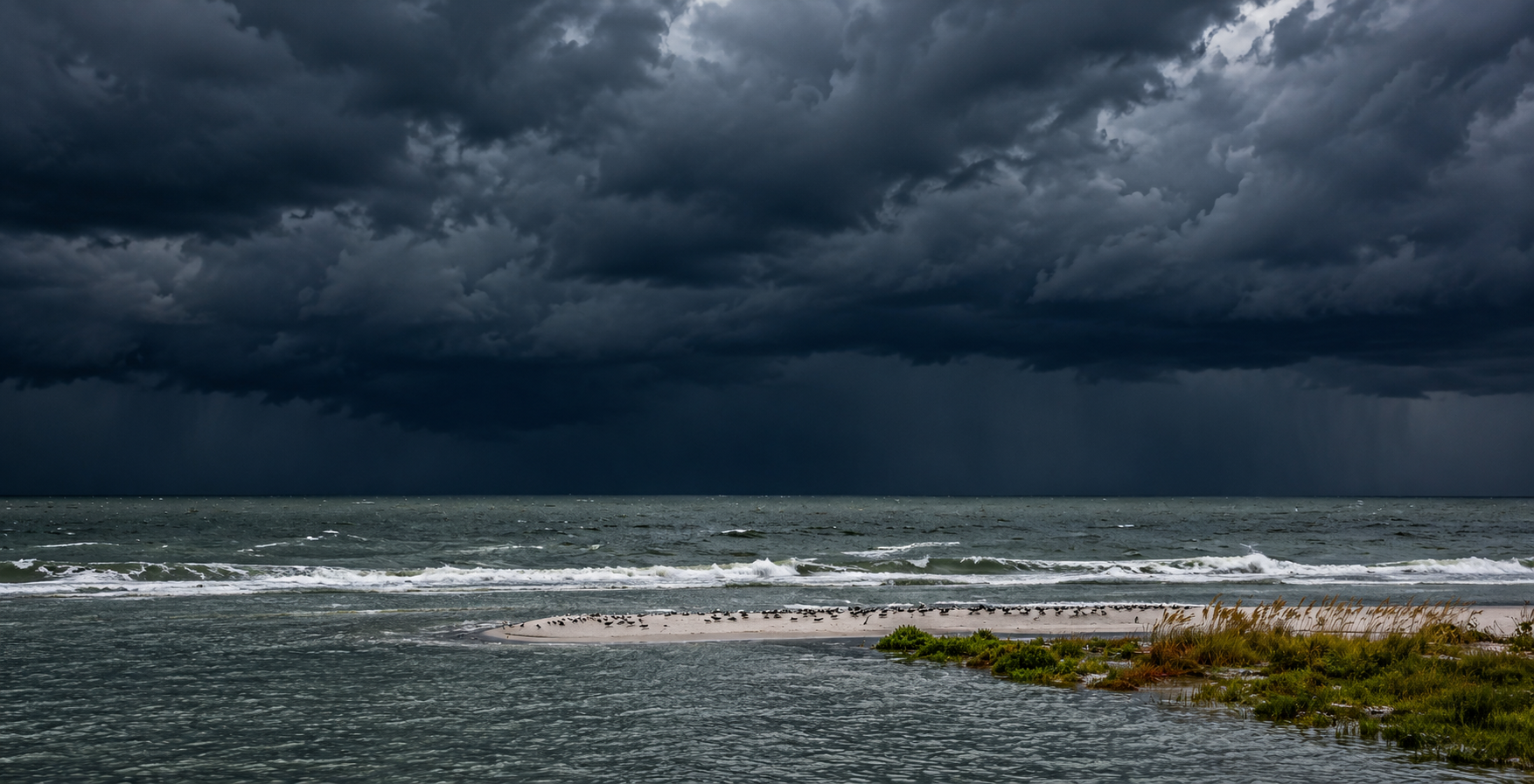
BEFORE THE STORM
The best time to protect our homes, our water, and our island is before the weather turns.
Hurricane preparation is about more than shutters, supplies, and evacuation plans.
Heavy rain, wind, flooding, and storm surge can move debris, chemicals, fertilizers, fuel, yard waste, and other pollutants into storm drains and waterways. Preparing early gives us an opportunity to reduce those impacts.
A storm may be unavoidable. Pollution doesn't have to be.
Preparation
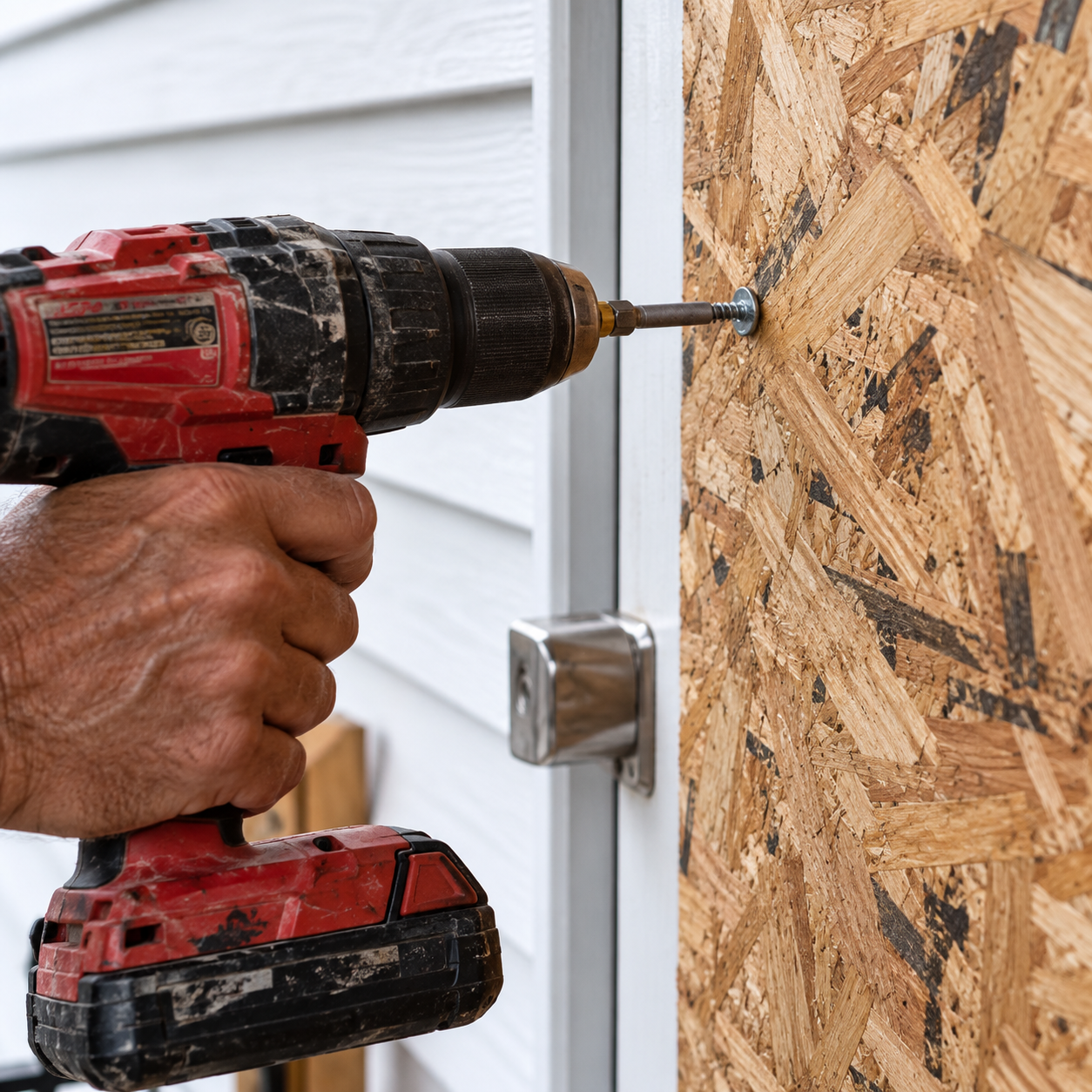
BEFORE THE RAIN STARTS
Once heavy rain begins, anything left unsecured outdoors can become part of the stormwater system. Wind and water move fast — and they don't distinguish between a lawn chair and a chemical container.
- Bring loose outdoor items inside.
- Secure trash and recycling containers.
- Remove loose yard debris.
- Keep storm drains and drainage areas clear.
- Check where water flows around the property.
"If the wind or rain can move it, secure it before the storm."
Clean Water
KEEP POLLUTION OUT OF THE WATER
Flooding and runoff can carry materials from yards, garages, sheds, streets, and driveways directly toward canals, bays, and coastal waters. What reaches the storm drain reaches the bay.
- Store fertilizers and pesticides safely.
- Secure fuel, oil, paint, and household chemicals.
- Do not leave hazardous products where floodwater can reach them.
- Keep waste and debris away from storm drains.
- Clean up spills before rainfall has a chance to move them.
"What floodwater reaches, floodwater can carry."
Resilient Landscaping
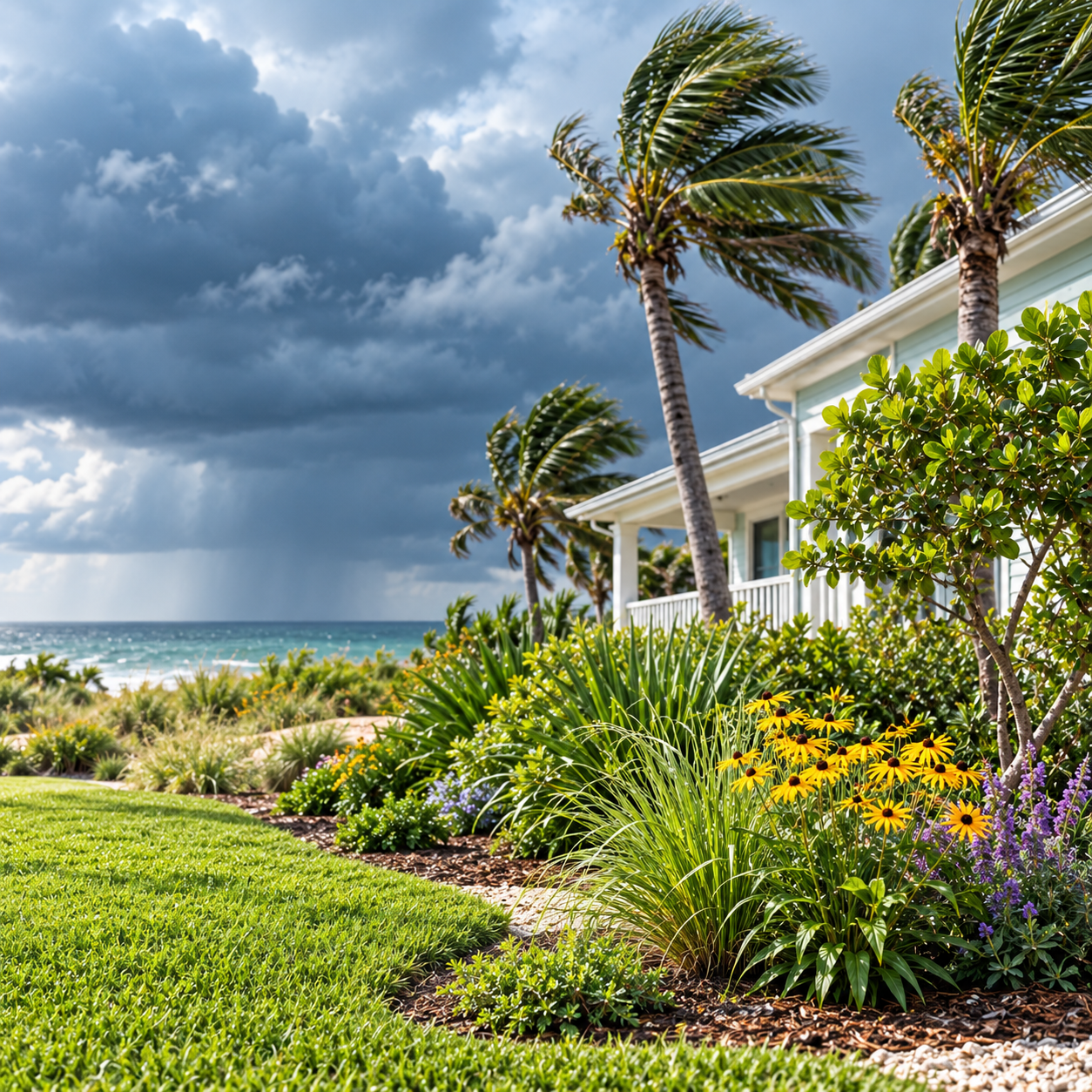
BUILD A LANDSCAPE THAT CAN TAKE THE WEATHER
Resilient landscaping can help a property handle heavy rain, wind, salt, and seasonal weather. The right plants in the right places do more than look good — they protect soil, slow runoff, and reduce the cleanup needed after a storm.
- Choose native and Florida-friendly plants.
- Protect mature trees where appropriate.
- Use mulch to protect soil and reduce erosion.
- Give rainfall planted areas where it can slow down and soak in.
- Avoid unnecessary hard surfaces that increase runoff.
- Choose plants suited to coastal wind and salt conditions.
Reducing unnecessary pesticide, herbicide, and fertilizer use before storm season can help limit what heavy rain carries into local waterways.
"A resilient yard works with Florida, not against it."
Stormwater
PREPARE FOR THE WATER, TOO
Hurricanes and tropical systems can bring large amounts of rain in a short period of time. Looking at how rainfall moves around your property before a storm arrives is one of the most practical things you can do.
Keep drainage paths clear.
Redirect downspouts toward appropriate planted areas.
Maintain rain gardens and swales.
Reduce blocked or compacted areas where practical.
Never dump debris into storm drains or drainage areas.
Stormwater infrastructure, swales, drains, and tide-control systems all work together during heavy rain — making routine maintenance and keeping drainage areas clear especially important before storm season.
"Stormwater needs a path. Pollution doesn't need to travel with it."
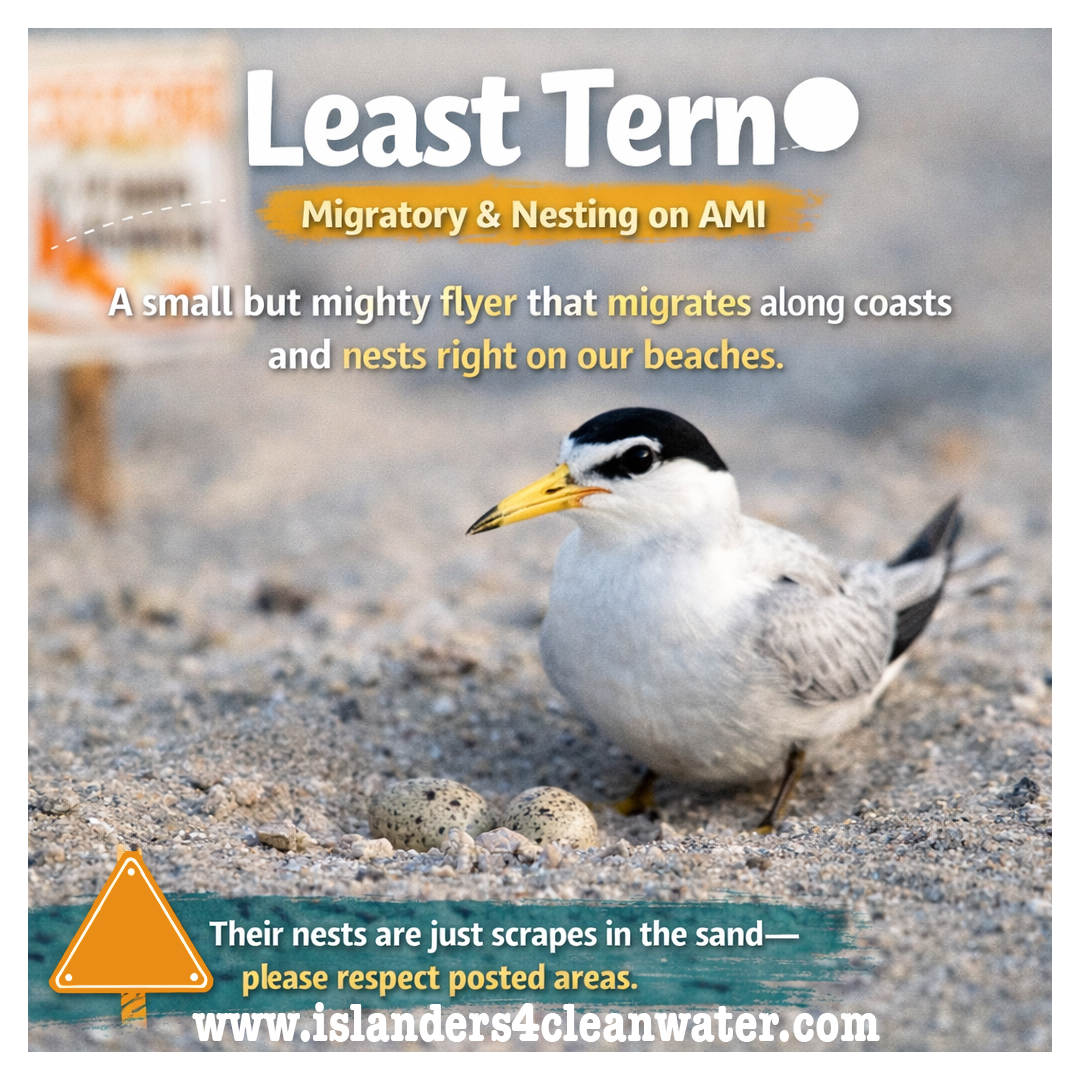
World migratory bird day is the second saturday in may
SHARE THE ISLAND WITH WILDLIFE
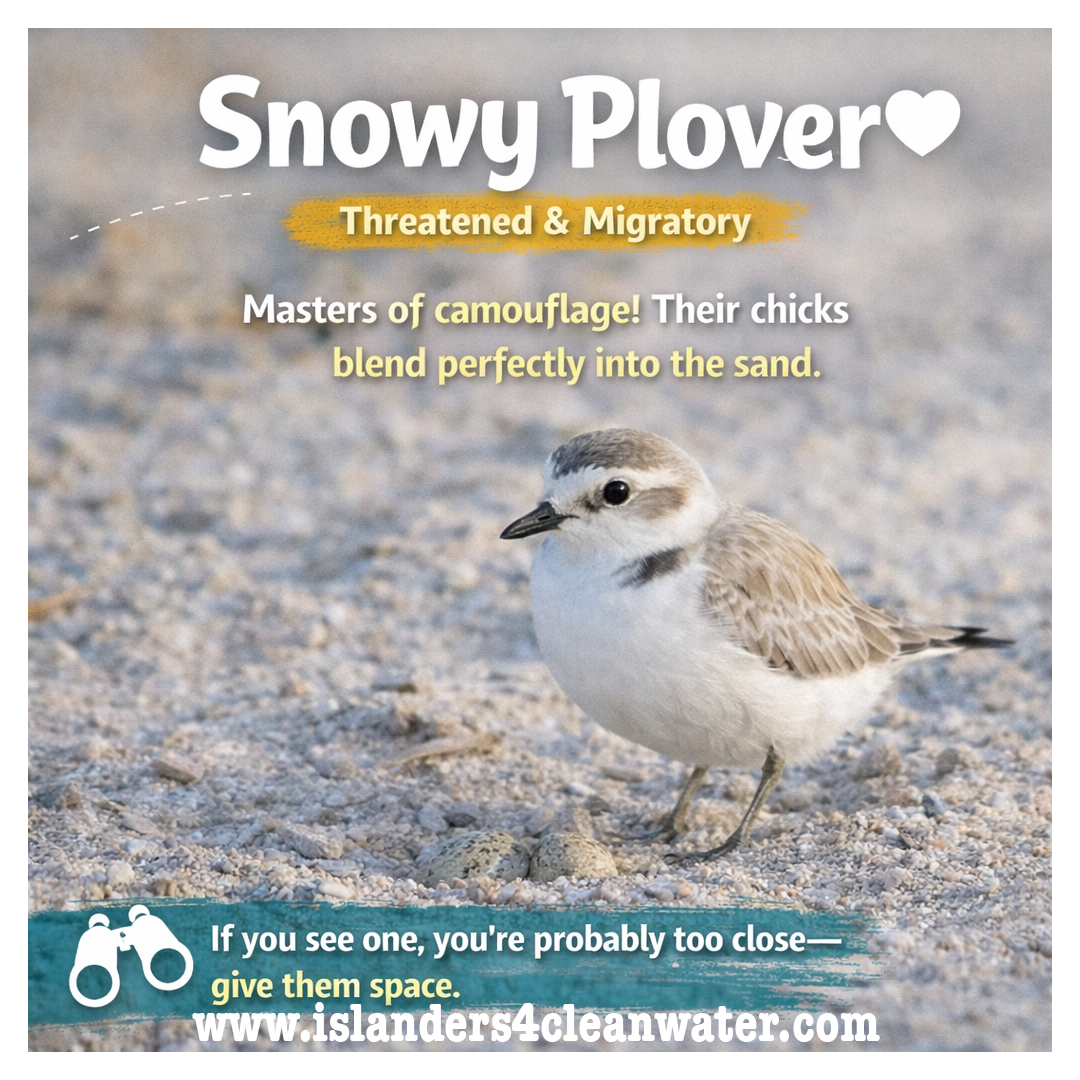
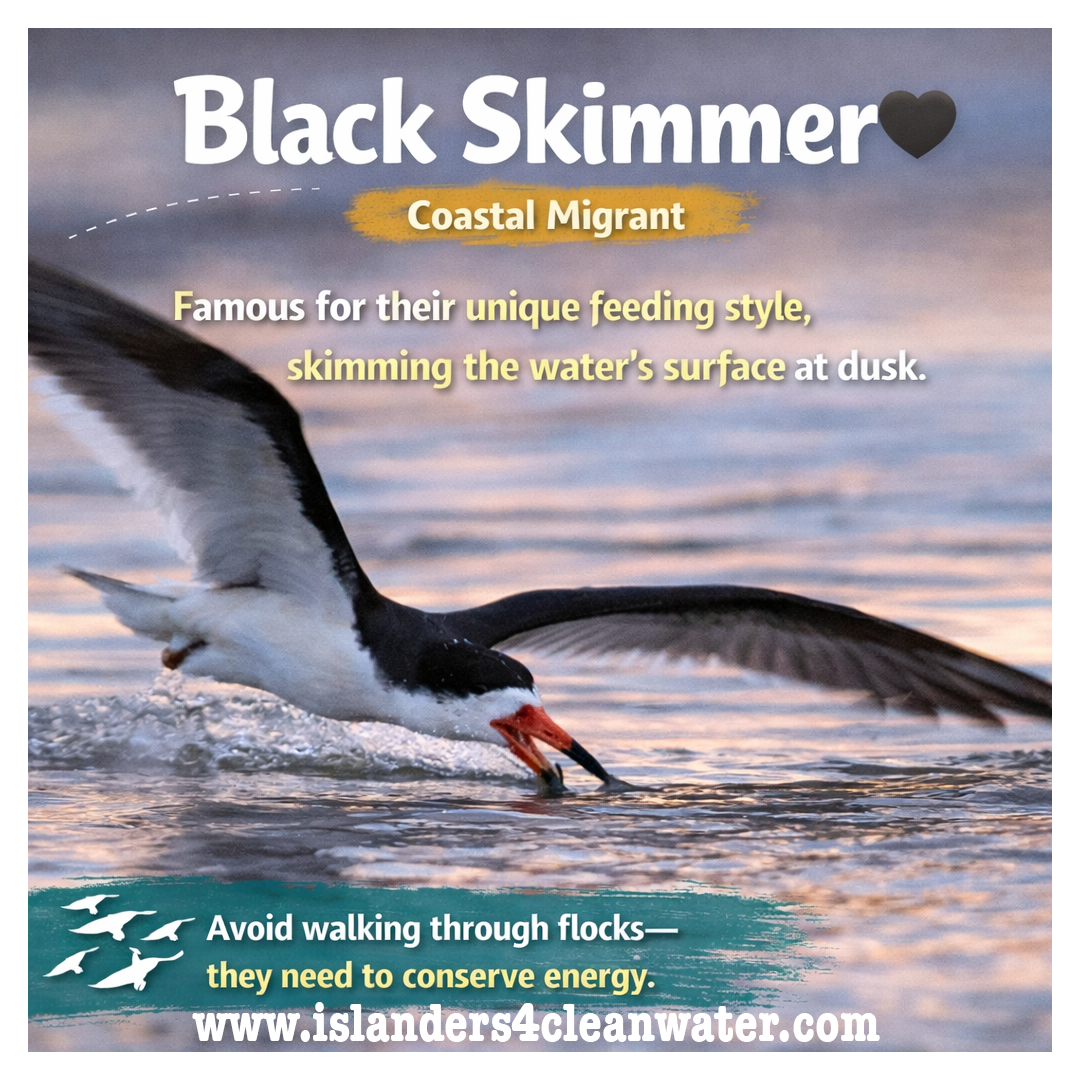
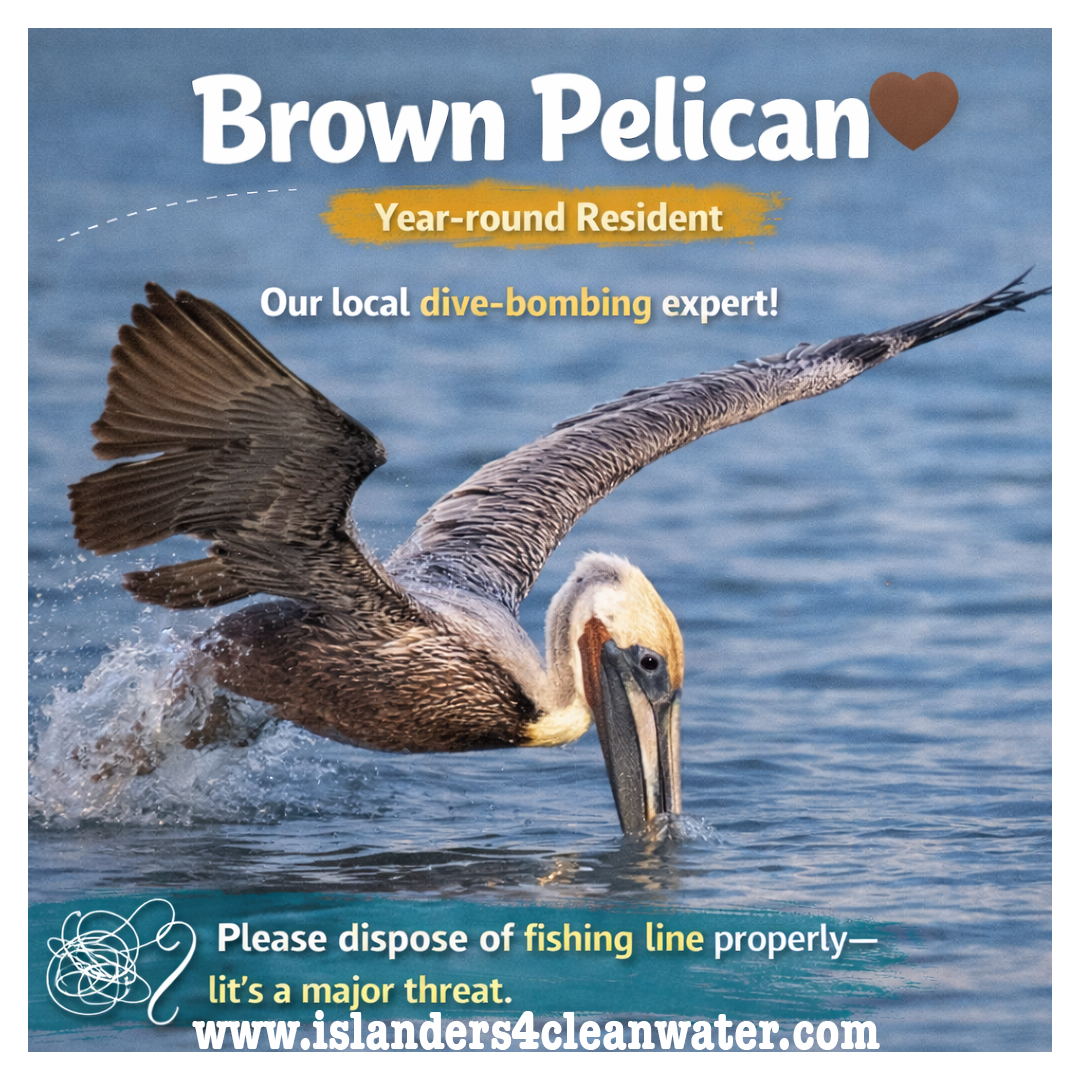
Anna Maria Island is important habitat for migratory and resident birds including red knots, least terns, snowy plovers, black skimmers, roseate spoonbills, pelicans, and many others.
Some migratory birds travel enormous distances and depend on Florida beaches and coastal habitat as places to rest, feed, nest, and regain energy.
- Give resting and nesting birds plenty of space.
- Respect posted nesting areas.
- Avoid walking through flocks.
- Keep pets away from shorebirds.
- Dispose of fishing line properly.
Preserving healthy beaches, dunes, mangroves, and other habitat before and after storms gives wildlife places to recover too.
"Prepared communities protect the places wildlife depends on, too."


international day for biological diversity- May 22
A STRONGER COAST IS A LIVING COAST
Coastal resilience depends on more than infrastructure. Seagrass beds, mangroves, native plants, trees, fish, birds, pollinators, and other species all form part of a connected ecosystem.
Biodiversity helps support:
- Healthy fisheries and marine habitat.
- Natural shoreline protection.
- Pollination.
- Clean water and air.
- Healthy food webs.
- Resilient coastal ecosystems.
Habitat loss, pollution, and extreme weather can place additional stress on these systems, which is why protecting natural habitat is part of preparing for the future.
"Resilience grows where life has room to thrive."
After the Storm
RECOVER WITHOUT CREATING ANOTHER PROBLEM
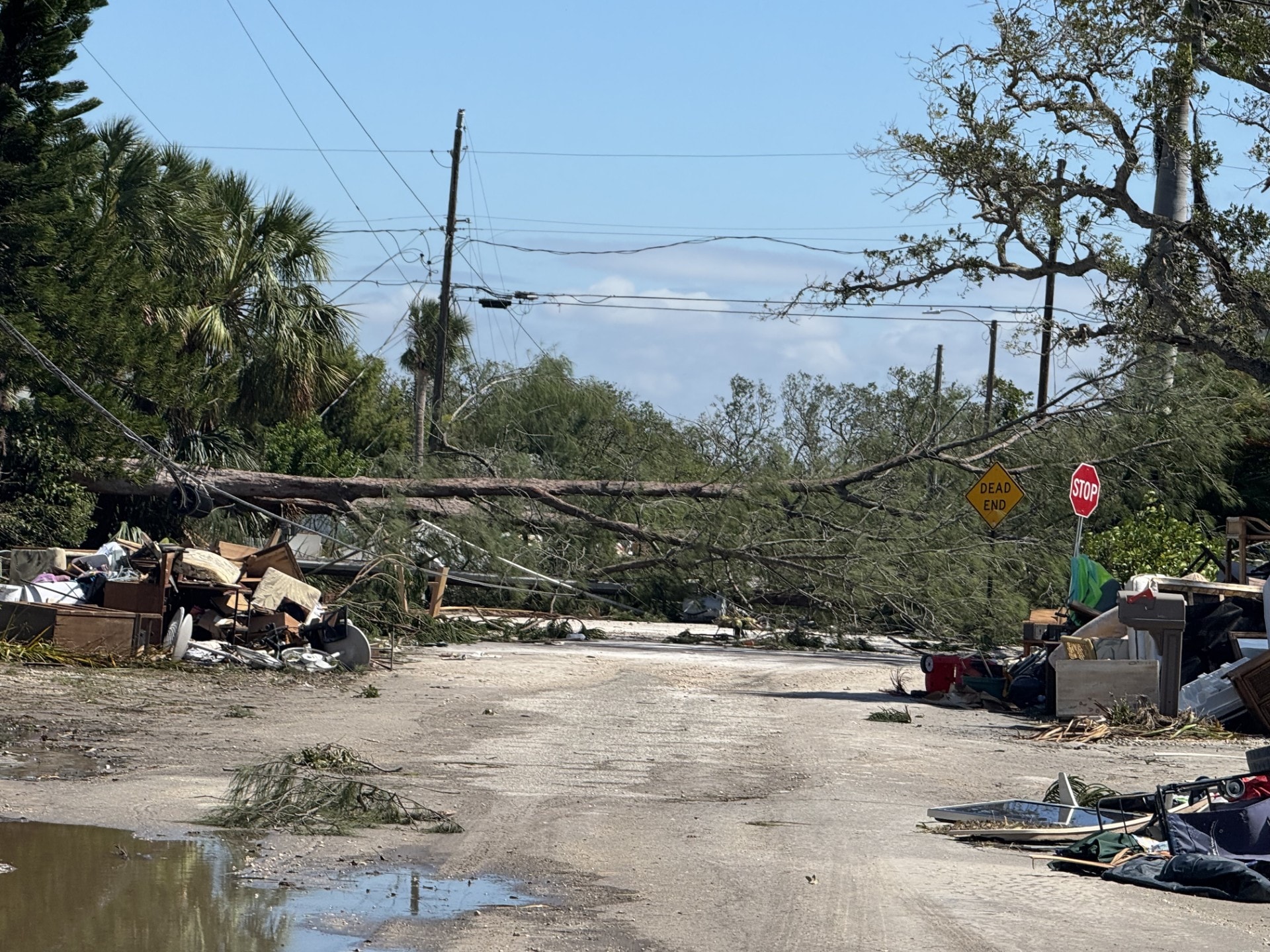
Cleanup after a storm can create large amounts of debris and waste. How that material is handled matters — for the community, for the waterways, and for the recovery of natural areas.
- Separate debris according to local collection guidance.
- Keep hazardous materials out of regular trash and storm drains.
- Secure loose debris until it can be collected.
- Avoid pushing yard waste or sediment into waterways.
- Report spills or environmental hazards when appropriate.
- Give displaced or stressed wildlife space and contact appropriate wildlife professionals when help is needed.
"Recovery should help restore the island, not add another layer of pollution."
IMAGINE…
- loose items already secured.
- chemicals stored safely.
- storm drains clear.
- native plants holding the soil.
- rain moving through a prepared landscape.
- birds finding undisturbed habitat.
- mangroves and seagrass still supporting life.
- less debris reaching the street.
- fewer pollutants reaching the bay.
- neighbors ready before the first band of rain arrives.
IMAGINE READY BEFORE THE STORM.
WHAT YOU CAN DO
- 1
Secure what can move.
Bring in or fasten outdoor furniture, containers, tools, and loose objects.
- 2
Store chemicals safely.
Keep fuels, fertilizers, pesticides, paint, oil, and other hazardous products where floodwater cannot reach them.
- 3
Clear the path for rain.
Remove debris from storm drains, swales, gutters, and drainage areas.
- 4
Prepare your landscape.
Protect soil, use resilient native plants, reduce unnecessary chemicals, and address loose branches or debris before the storm.
- 5
Protect habitat during recovery.
Respect wildlife, beaches, dunes, mangroves, trees, and other natural areas during cleanup.
"The best time to prepare is before the storm is named."