January
IMAGINE FLORIDA
IN BLOOM
What if our yards, parks and roadsides worked with Florida instead of against it?
Native plants can support wildlife, help manage rainfall, reduce the need for excessive irrigation and landscape chemicals, and preserve the natural character that makes Florida — and Anna Maria Island — unlike anywhere else.
Wildlife & Habitat
Florida Comes Alive
Florida native plants are more than beautiful — they are the foundation of a living system. They provide food and shelter for birds, butterflies, bees, and the countless other species that depend on the plants that evolved alongside them.
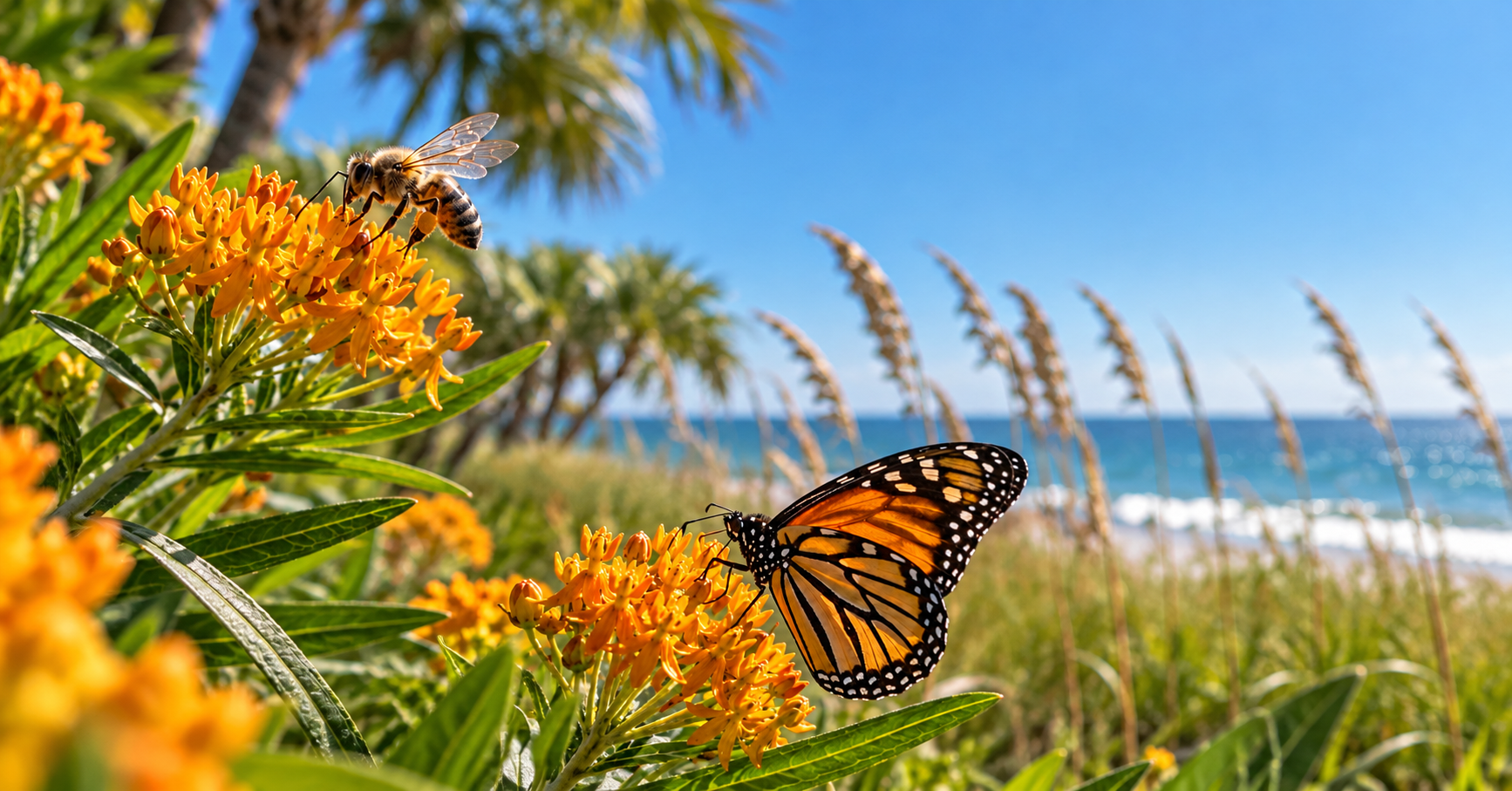
Dune sunflower and milkweed attract monarch butterflies. Frogfruit feeds hairstreak butterflies and ground-foraging birds. Beautyberry feeds mockingbirds and cardinals through the winter. Coontie is the only host plant for the rare atala butterfly. Muhly grass and sea grape anchor the coastal edge while sheltering small mammals and nesting birds.
"One yard may seem small.
Together, they become habitat."
Landscaping & Water Quality
Rooted in Clean Water
The connection between our landscapes and our waterways is direct. When rain falls on a lawn of shallow-rooted turf, it runs off — carrying fertilizers, pesticides, and sediment into storm drains and eventually into Tampa Bay and the Gulf.
Deep-rooted native plants work differently. Their roots stabilize soil, slow rainfall, and create pathways for water to soak into the ground rather than rush across it. A yard planted with natives absorbs stormwater. A yard of conventional turf sheds it.
Reducing unnecessary fertilizers, pesticides, and irrigation doesn't just save money — it reduces the chemical load that our landscapes place on local waterways every time it rains.
"Healthy landscapes can help support healthy water."

Planting native is a simple way to help protect our environment and waterways. Native plants thrive in our local climate with less water, fertilizer, pesticides, and maintenance while providing valuable food and habitat for pollinators and wildlife. By choosing native, we can create beautiful landscapes while protecting clean water, conserving resources, and supporting a healthier local ecosystem for the future.
Coastal Plant Guide
Built for the Island
These plants are suited to our coastal environment and were identified by the Holmes Beach Parks & Beautification Committee following the 2024 hurricanes and saltwater flooding. They are resilient, proven, and right for Anna Maria Island.
Trees & Palms
- Sabal Palm
- Live Oak
- Gumbo Limbo
- Black Olive
- Orange Geiger Tree
Wildflowers & Vines
- Dune Sunflower
- Blanket Flower
- Coral Honeysuckle
- Seaside Goldenrod
- Passionflower
Grasses & Groundcovers
- Muhly Grass
- Frogfruit
- Fakahatchee Grass
- Sunshine Mimosa
- Coontie
Shrubs & Hardy Plants
- Beautyberry
- Sea Grape
- Firebush
- Milkweed
- Wild Coffee
January 5 — National Bird Day
Native Plants Feed Native Birds
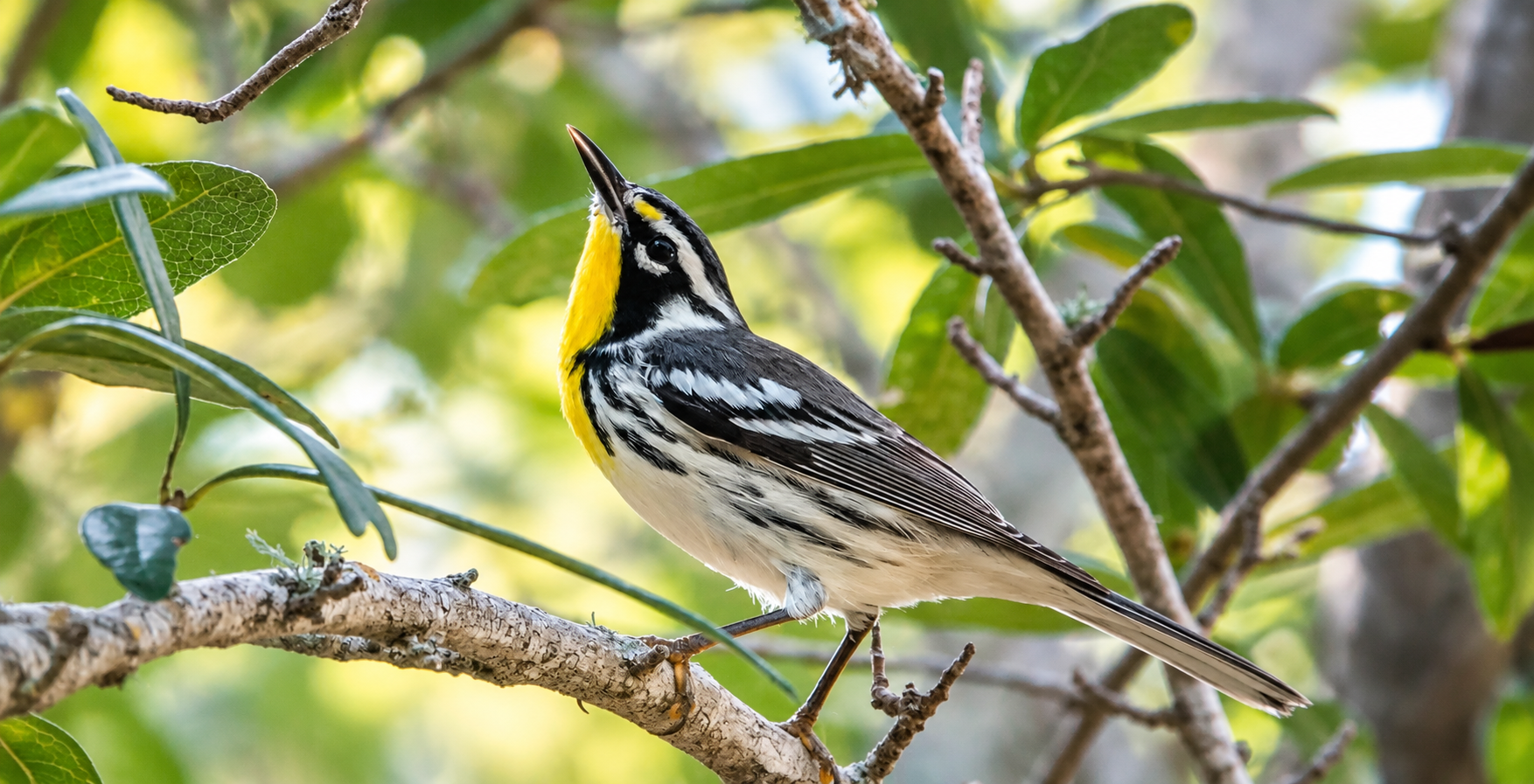
National Bird Day, celebrated every January 5th, is a reminder of how deeply birds are woven into the health of our ecosystems — and how much they depend on the plants around them. On Anna Maria Island, the birds we love most — roseate spoonbills, ospreys, painted buntings, and warblers — rely on native plants for food, shelter, and nesting.
Native plants produce the berries, seeds, and insects that migratory and resident birds need to survive. A yard full of native wildflowers, shrubs, and trees is a living bird sanctuary. Exotic ornamentals, by contrast, offer little nutritional value and can crowd out the plants birds depend on.
When you plant native, you're not just beautifying your yard — you're restoring a food web. Every native plant is a link in a chain that connects clean water, healthy soil, thriving insects, and the birds that make our island come alive.
Florida Arbor Day
Celebrate Florida Arbor Day
Florida Arbor Day is celebrated the third Friday of January — right at the start of the best planting season for our climate. It's a reminder that trees are not just beautiful; they are essential to healthy land, clean water, and thriving wildlife.
Planting a native tree is one of the most lasting contributions an islander can make. Native trees provide shade, support pollinators and birds, stabilize soil, and help keep our waterways clean by slowing and filtering stormwater before it reaches the bay.
IMAGINE…
a flower feeding a bee.
a bee pollinating another flower.
a caterpillar becoming a butterfly.
a tree sheltering a bird.
roots slowing the rain.
a yard becoming habitat.
a neighborhood becoming a corridor.
IMAGINE FLORIDA IN BLOOM.
Take Action
What You Can Do
Plant something native.
Choose one Florida-native plant for your yard, porch, or garden bed. Every plant counts.
Plant for wildlife.
Select species that provide food and shelter — milkweed for monarchs, coontie for atala butterflies, beautyberry for birds.
Use less water.
Native plants are adapted to Florida's rainfall. Once established, most need little or no irrigation.
Reduce fertilizers and pesticides.
Native plants thrive in Florida's naturally lean soils. Chemicals that leave your yard can reach our waterways.
Let nature do some of the work.
Leave leaf litter, let groundcovers spread, and allow your yard to become a living system rather than a managed surface.
"A Florida in bloom is a Florida full of life."
LET FLORIDA BLOOM
You don't have to transform your entire landscape at once. Planting one native flower, adding a native tree, providing habitat for wildlife, or giving rainfall somewhere to soak into the ground — each of these choices contributes to a healthier island.
Plant native. Support wildlife. Protect our water.
IMAGINE FLORIDA IN BLOOM.