March
IMAGINE FLORIDA
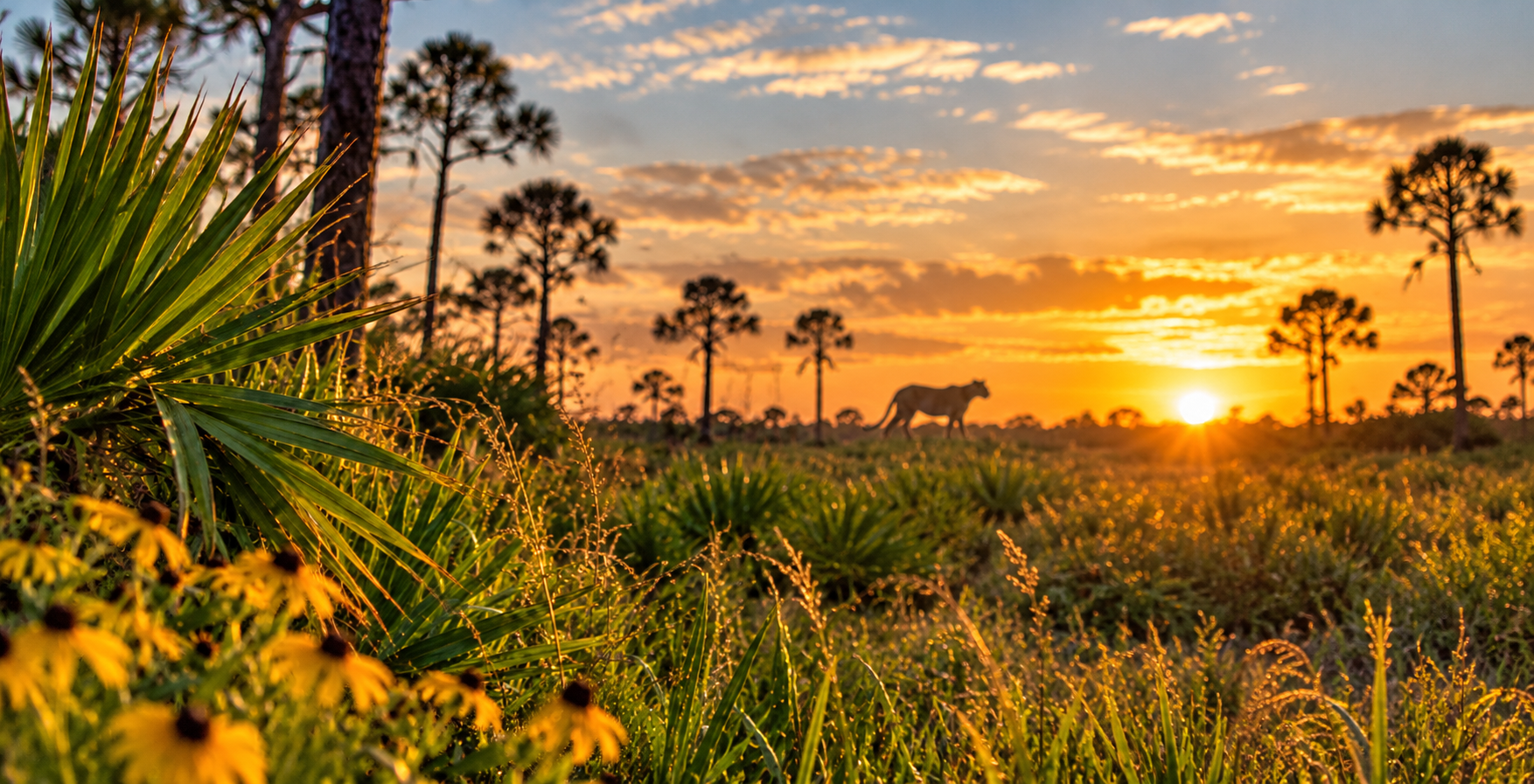
STILL WILD
"What if the Florida of tomorrow still felt wild?"
Holmes Beach and Anna Maria Island are home to more than people. Sea turtles nest on our beaches, dolphins travel our shoreline, manatees move through coastal waters, shorebirds feed along the tide, and fish shelter among mangroves and seagrass.
Living alongside this wildlife means recognizing that our beaches, bays, mangroves, seagrass beds and waterways are not simply scenery. They are habitat.
"This is their home, too."
Wildlife & Habitat
Wild Is Closer Than You Think
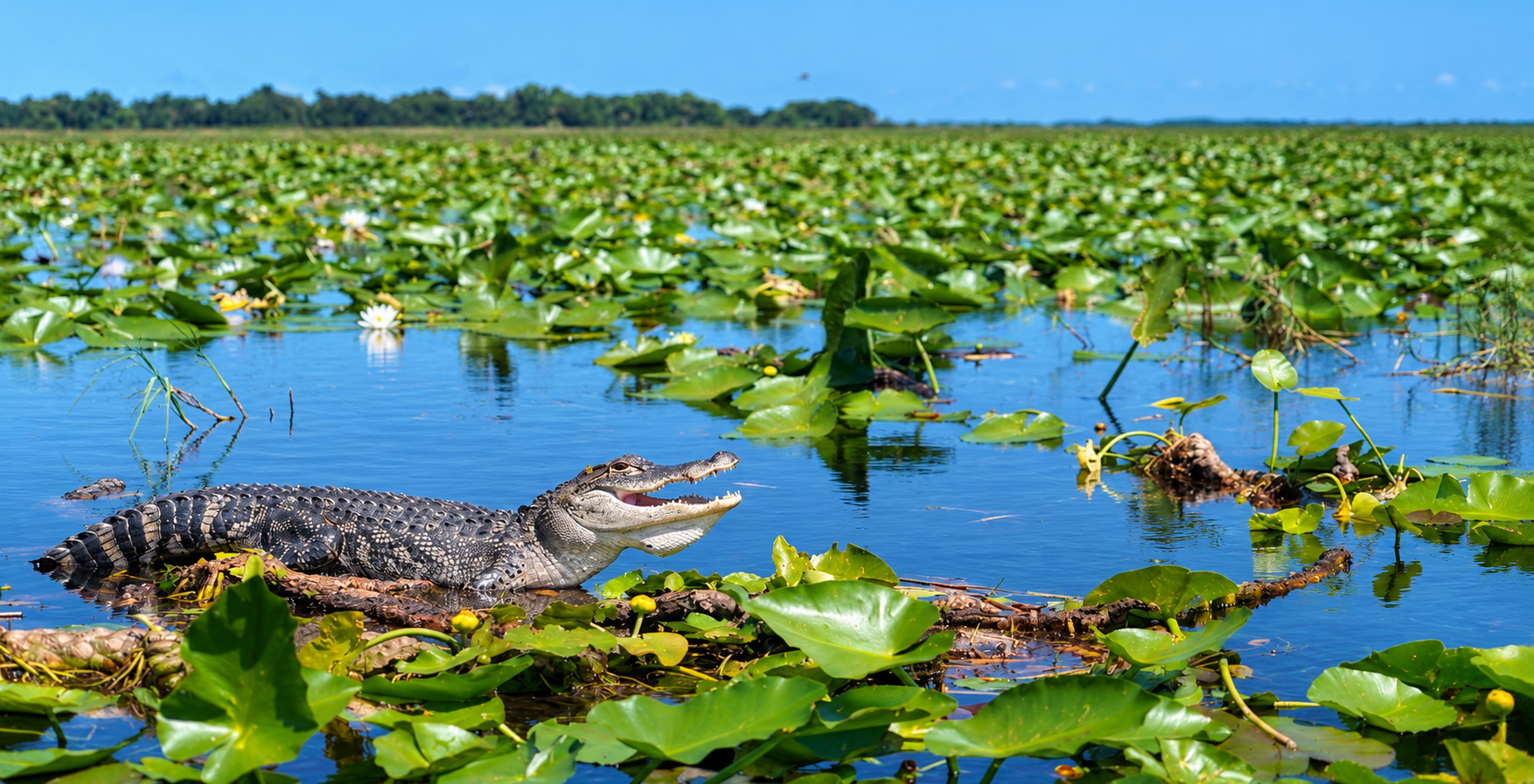
Wild Florida does not exist only in distant wilderness areas. It exists along our beaches, beneath our waters, among mangrove roots and overhead.
- Sea Turtles — Depend on suitable nesting beaches and dark nighttime conditions during nesting season.
- Shorebirds — Feed, rest and sometimes nest directly along beaches and shorelines.
- Dolphins — Live and feed in the coastal waters surrounding our islands.
- Manatees — Depend on healthy aquatic habitats, including seagrass for food.
- Pelicans and Other Coastal Birds — Depend on healthy fisheries, clean water and places to rest, feed and nest.
"Wild Florida is all around us. Sometimes protecting it begins by simply giving it room."
World Wildlife day is March 3rd
Clean Water. Wild Life.
Wildlife and water quality are deeply connected. Healthy coastal waters support seagrass, fish and the larger food web. Seagrass provides food and habitat for species including manatees, fish and crabs. Birds depend on aquatic ecosystems for food. Sea turtles, dolphins and other marine animals depend on healthy coastal habitats.
Pollution, litter, fishing line and damage to habitat can affect wildlife far beyond the point where those impacts begin.
"Protecting clean water means protecting wildlife."
March 14th is International Day for Action of Rivers
Everything Flows Together
Our island waters are connected to a much larger watershed. The Manatee River flows toward the estuary and coastal waters surrounding Anna Maria Island. Water carries more than water — stormwater runoff, litter, nutrients and pollutants can travel downstream as well.
Rivers feed estuaries, and estuaries support seagrass, fish, birds and other wildlife. What happens upstream can eventually affect habitats downstream.
"There is no 'away' in a watershed."
International Day of Forests is march 21st
Where the Wild Things Grow
Florida wildlife needs habitat as much as it needs clean water. Mangrove roots provide sheltered habitat for fish and other aquatic life while mangrove branches support birds above the water. Seagrass meadows provide food and shelter beneath the surface. Beaches provide nesting, feeding and resting areas. Natural shorelines connect these habitats.
Coastal forests and mangroves are living infrastructure as well as wildlife habitat. Their roots stabilize soil and shorelines, their canopies provide habitat and shade, and healthy vegetation helps maintain resilient coastal ecosystems.
"To keep Florida wild, we have to leave room for wild places."
Manatee appreciation day is the last wednesday of march
Beneath the Surface
Some of Florida's most important habitat is easy to miss because it exists underwater. Seagrass meadows provide food and shelter for marine life. Manatees graze on aquatic vegetation, while fish and other organisms use seagrass beds as habitat.
Boat propellers can scar shallow seagrass beds. Responsible boating can reduce damage to these habitats.
- Stay in marked boating channels.
- Obey posted manatee and slow-speed zones.
- Watch carefully for wildlife.
- Avoid damaging shallow seagrass areas.
"What looks like grass beneath the water is an entire neighborhood."
Wildlife Assistance
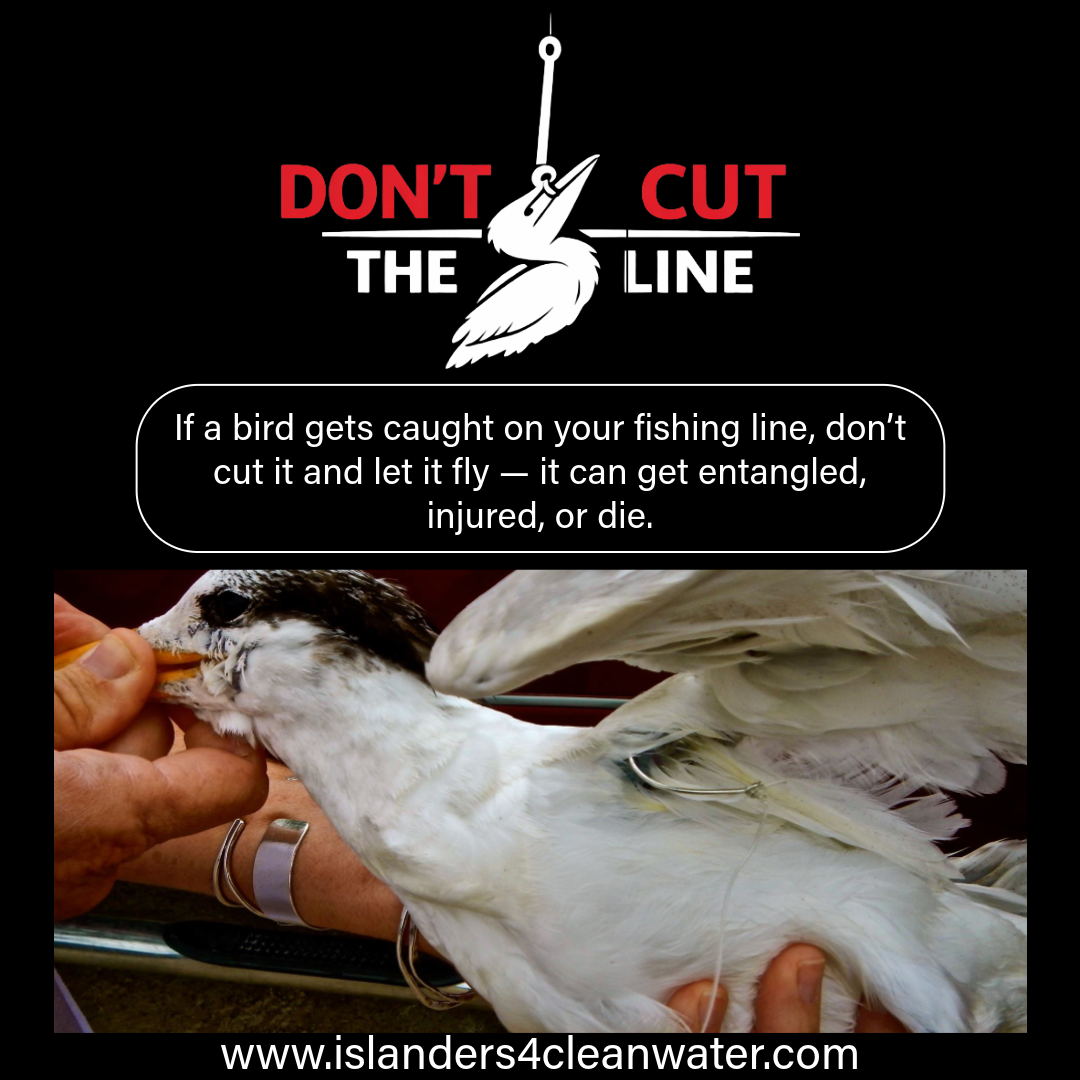
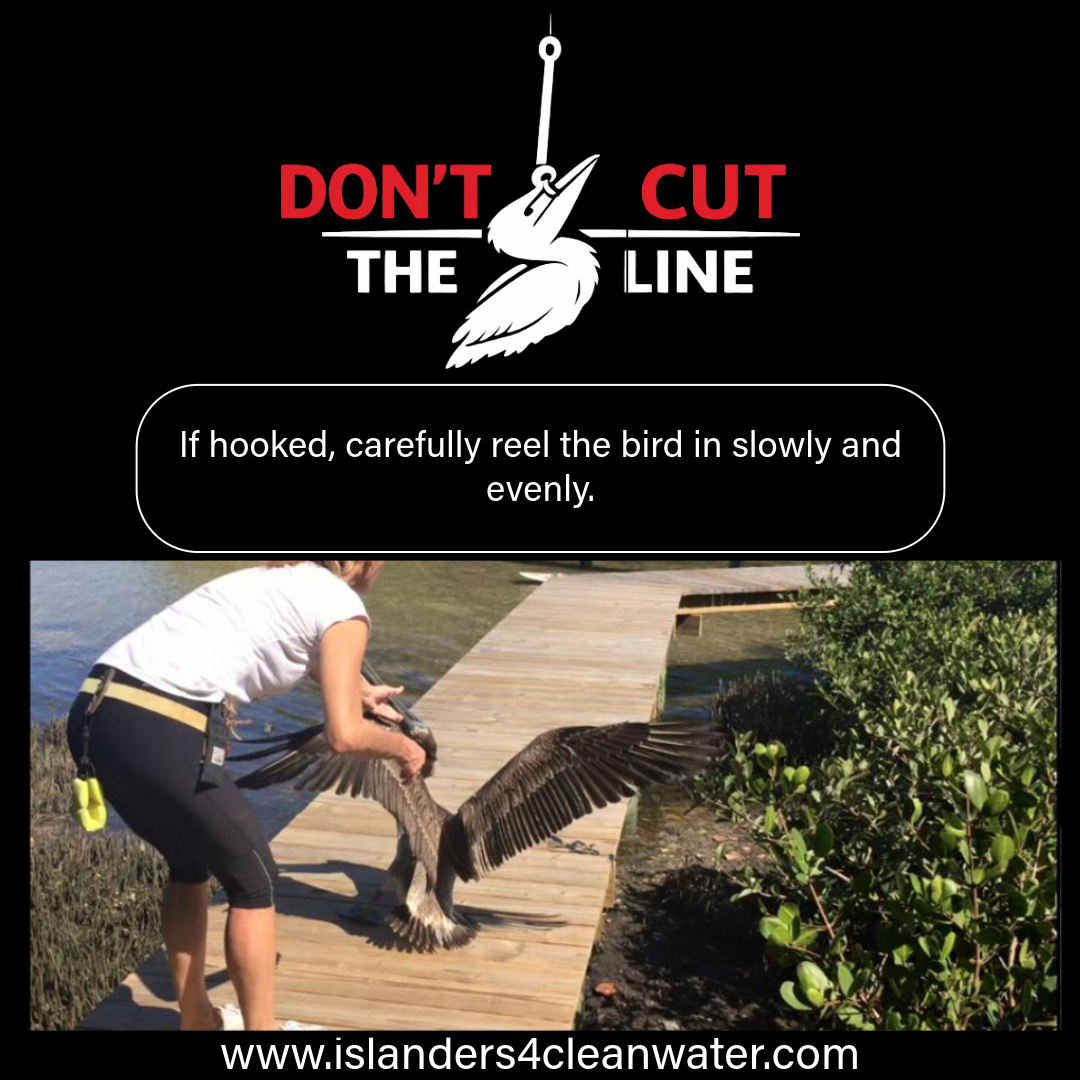
Don't Cut the Line
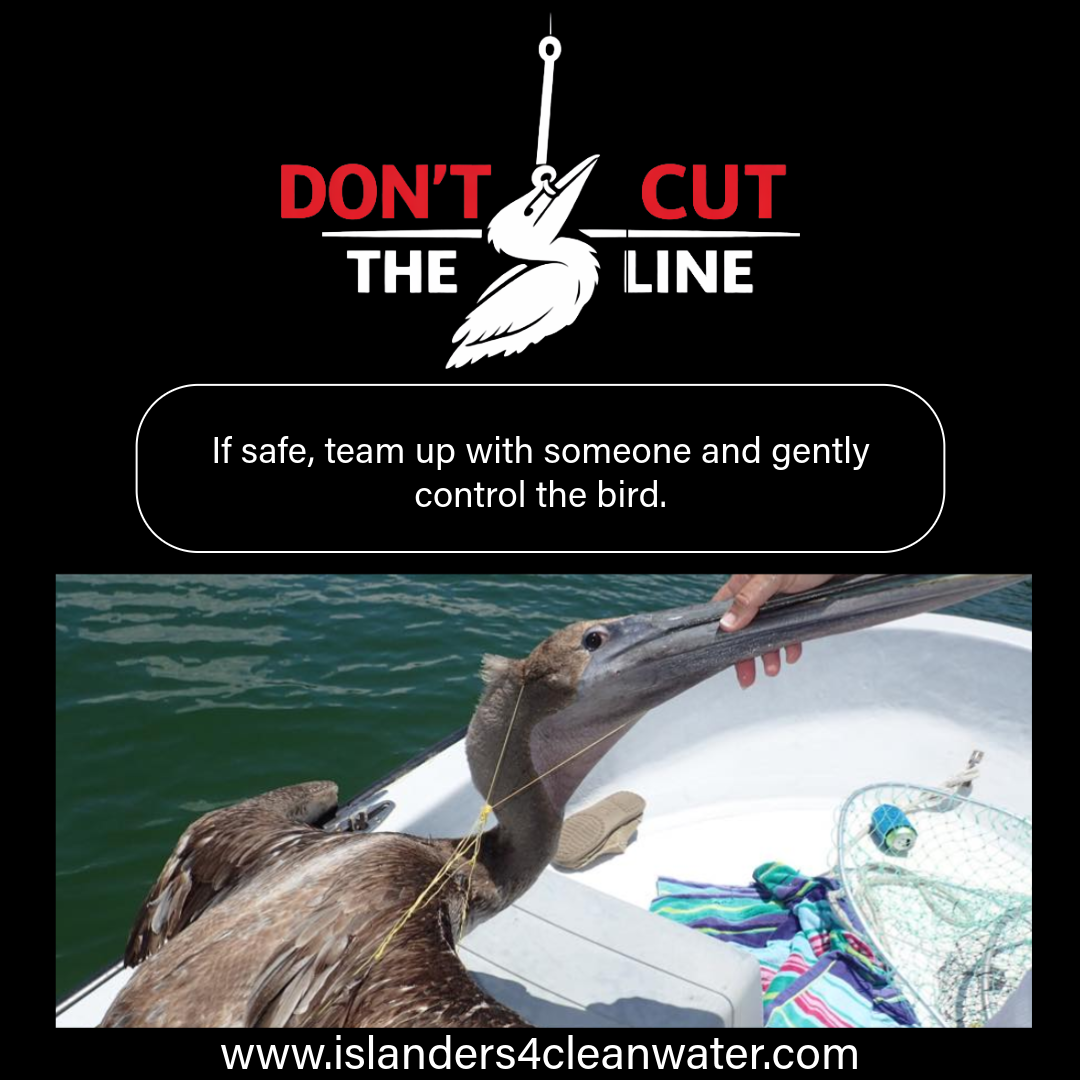
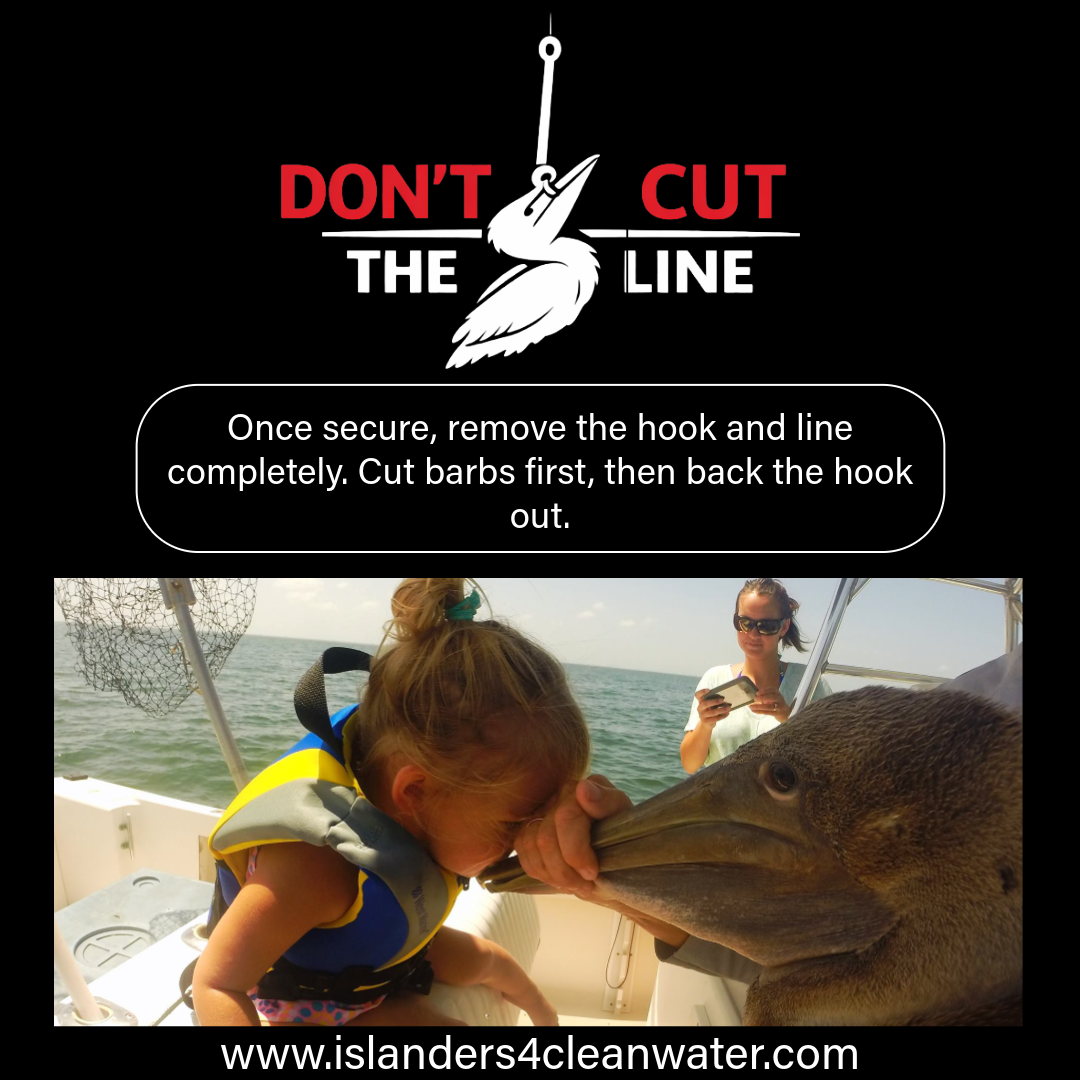
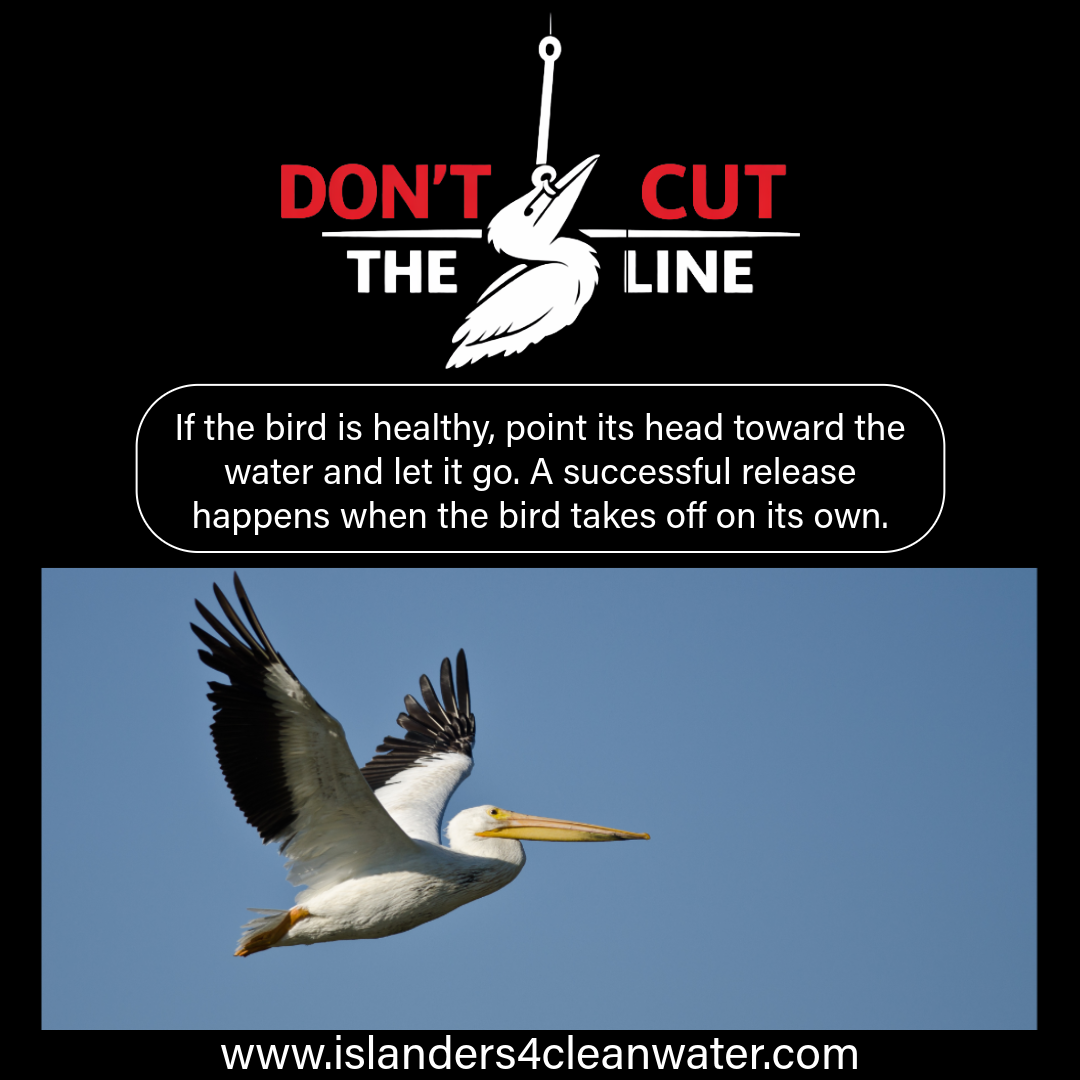
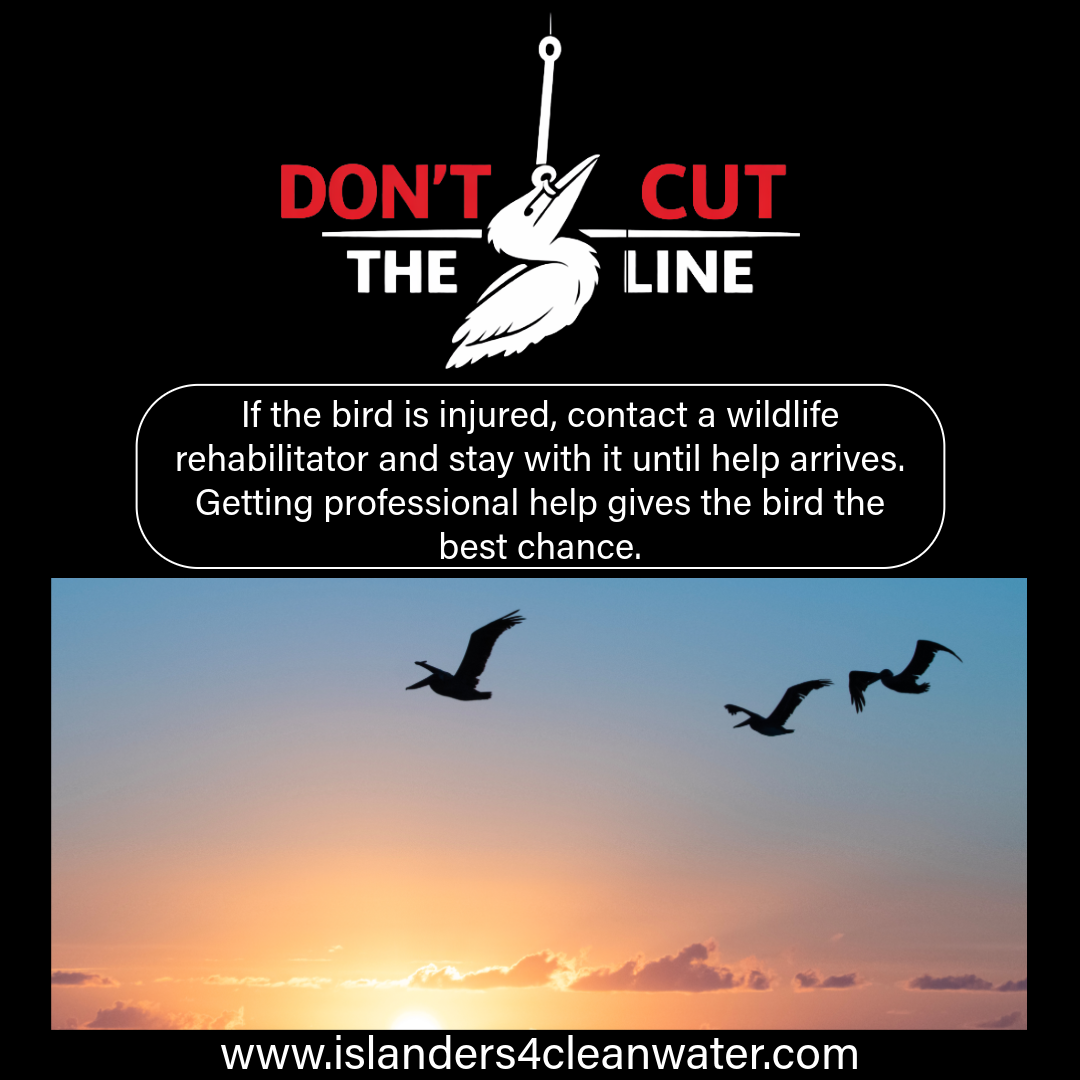
Discarded or tangled fishing line can seriously injure birds and other wildlife. If a bird becomes hooked or tangled, simply cutting the line and allowing the animal to leave can leave dangerous line or hooks attached.
Seek appropriate wildlife assistance when an animal is injured or you are unsure how to safely help.
"A few extra minutes can save a life."
March 18th is global recycling day
Reduce, Reuse, Recycle
Keeping Florida wild also means reducing what we introduce into natural environments. Reducing unnecessary consumption, choosing reusable products, properly disposing of waste and preventing litter all help reduce the amount of human-made material that can enter beaches, waterways and wildlife habitat.
"The less we leave behind, the more room we leave for nature."
World Water Day is march 22nd
Water Connects the Wild
Water connects nearly every habitat on this page. Rain falls on our neighborhoods and landscapes. Water moves through soil and stormwater systems, rivers and wetlands. Rivers connect to estuaries. Estuaries connect to bays and the Gulf. The health of those waters influences the habitats and wildlife that depend on them.
- Fix water leaks.
- Use water thoughtfully.
- Keep fertilizers, oils and trash away from storm drains.
- Protect wetlands and mangroves.
- Reduce pollution and litter.
- Respect natural shorelines.
"Protect the water and you protect the wild."
IMAGINE…
turtle tracks beneath the moon.
shorebirds running with the tide.
dolphins breaking the surface.
manatees grazing below.
fish disappearing into seagrass.
pelicans resting along the shore.
mangroves growing wild.
rivers running clean.
beaches where wildlife still belongs.
IMAGINE FLORIDA STILL WILD.
Take Action
What You Can Do
Give wildlife space.
Watch and enjoy wildlife from a respectful distance.
Protect habitat.
Respect mangroves, seagrass, dunes, wetlands and nesting areas.
Keep water clean.
Prevent litter, chemicals and other pollutants from entering storm drains and waterways.
Boat and fish responsibly.
Stay in channels, obey wildlife protection zones and properly dispose of fishing line.
Leave no trace.
Take your belongings and waste with you and leave natural places as you found them.
"Wild Florida doesn't need us to tame it. It needs us to make room for it."
LET IT STAY WILD
Keeping Florida wild does not require separating people from nature. It requires learning how to share the places we love.
Giving a nesting bird space, slowing down for a manatee, staying out of seagrass, keeping fishing line out of the water, reducing waste and protecting clean water may seem like individual actions. Together, they help preserve the habitats wildlife needs.
Respect wildlife. Protect habitat. Keep the water clean.
IMAGINE FLORIDA STILL WILD.